The Anglican Church has stoutly rejected any move to turn Nigeria into an Islamic country, as well as integrate the Sharia laws and monetary policy in the country’s financial system.
The 3-day 3rd Session of the 12th Synod 2026 of Anglican Diocese of Calabar climaxed yesterday at Holy Trinity Anglican Communion, Calabar with large numbers of faithful, elders and hundreds of clergymen, royal fathers and other invited guests.
The Synod’s theme, “Not Offended in Me” was extracted from Matthew 11:6.
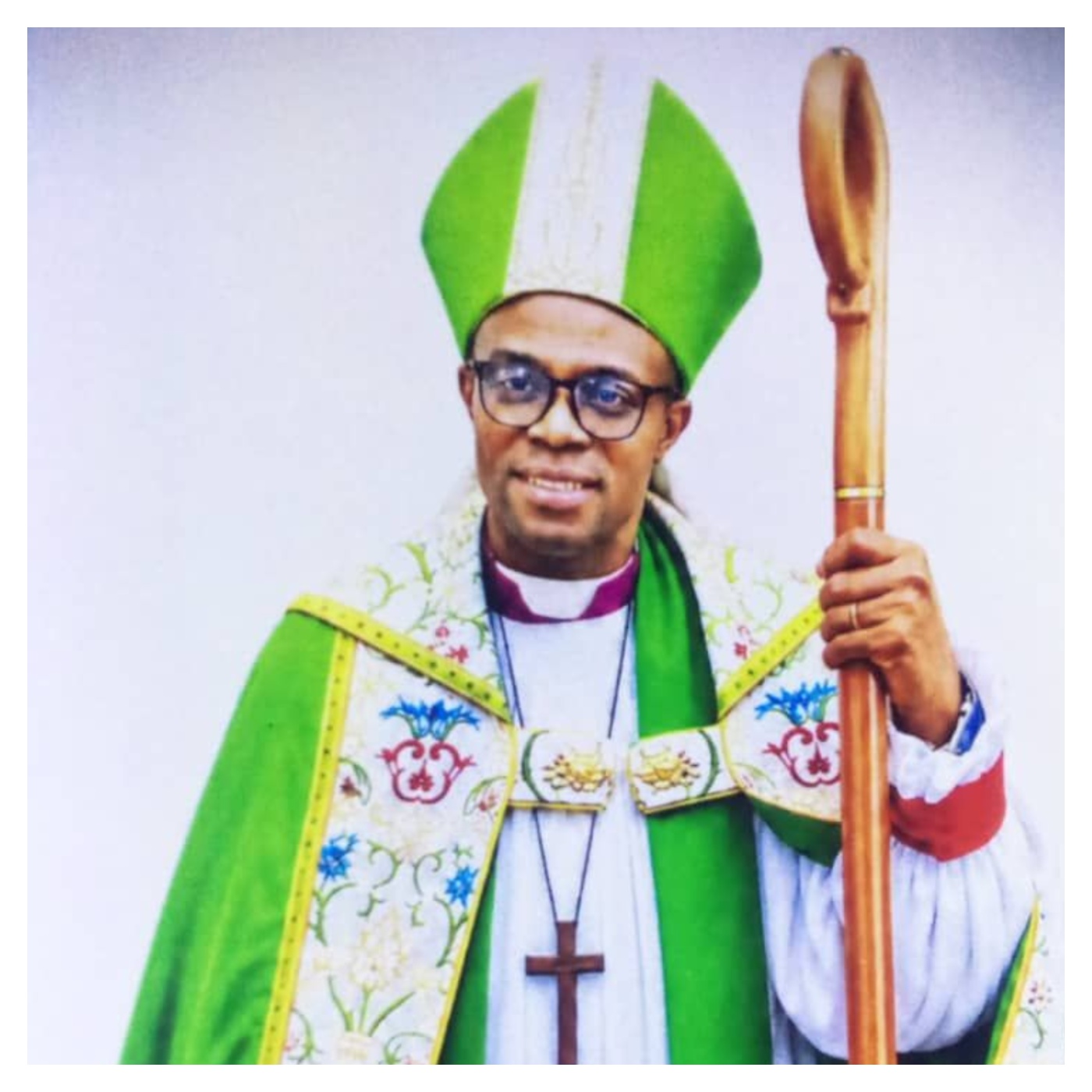
The Synod was addressed by the Bishop of the Diocese, Prof. Nneoyi Onen Egbe.
In the communique he signed, the Church took a firm stand against integrating Sharia financial systems into Nigeria’s financial regulations.
“This move will not enhance clarity, credibility, accountability, or transparency as claimed,” the communique read.
“We again say No to Islamisation of our country. We cannot continue this dance of death with the deliberate intention to Islamise this nation,” he said.
The Church described the country as a “two-tier nation” where elites live in comfort while the masses struggled for survival.
The Bishop’s analysis of Nigeria was unsparing.
He identified two distinct tiers within the country.
“The first tier is the self-sufficient Nigeria, characterised by solar energy, private security, controlled systems, and comfort.
“The political class and few of the private sector cronies of theirs live in this tier,” he said.
The second tier, he said, is “Nigeria of survival,” marked by darkness, bad roads, insecurity, poor healthcare, and uncertainty—where the large majority of Nigerians live.
The Bishop said Nigerians are trapped in the tragedy of normalising evil and dishonesty, insisting that Nigerians are not angry at the evil around us, but are angry because they are not included in the benefitting few.
He accused leaders of prioritising their own problems over national issues, citing Aso Rock’s dependence on solar power while the national grid remains dysfunctional.
“They have chosen to insulate themselves from what is happening rather than engineer transformation of the nation,” he added.
The Synod called on Christians to return to God in genuine repentance, confessing modern-day idolatries including self, money, status, pleasure, fashion, technology, and human rights.
It warned believers against slipping into these forms of worship “occasioned by the subtility through which commitment to God is lost.”
The Synod recommended that political appointees emerge from a college of religious and traditional leaders across the nation.
It argued that a presidential appointee as INEC chair “will always be a stooge.”
The Synod called for emphasis on merit, ability, and residence over ethnicity and place of origin.
“We need technocrats to run our economy, not politicians,” the communique stated.
They urged stronger border controls, noting recent claims that many terror attacks are carried out by non-Nigerians. “Should we not know who has entered into or lives the country as well as what such people do?” it asked.
They expressed delight at positive developments in the Diocese, including the establishment of a printing press, scholarships for indigent children, building a house for a widow, provision of boreholes in underserved communities, economic empowerment programs, and the reroofing of an elderly man’s home damaged by a storm.