From Noah Ebije, Kaduna
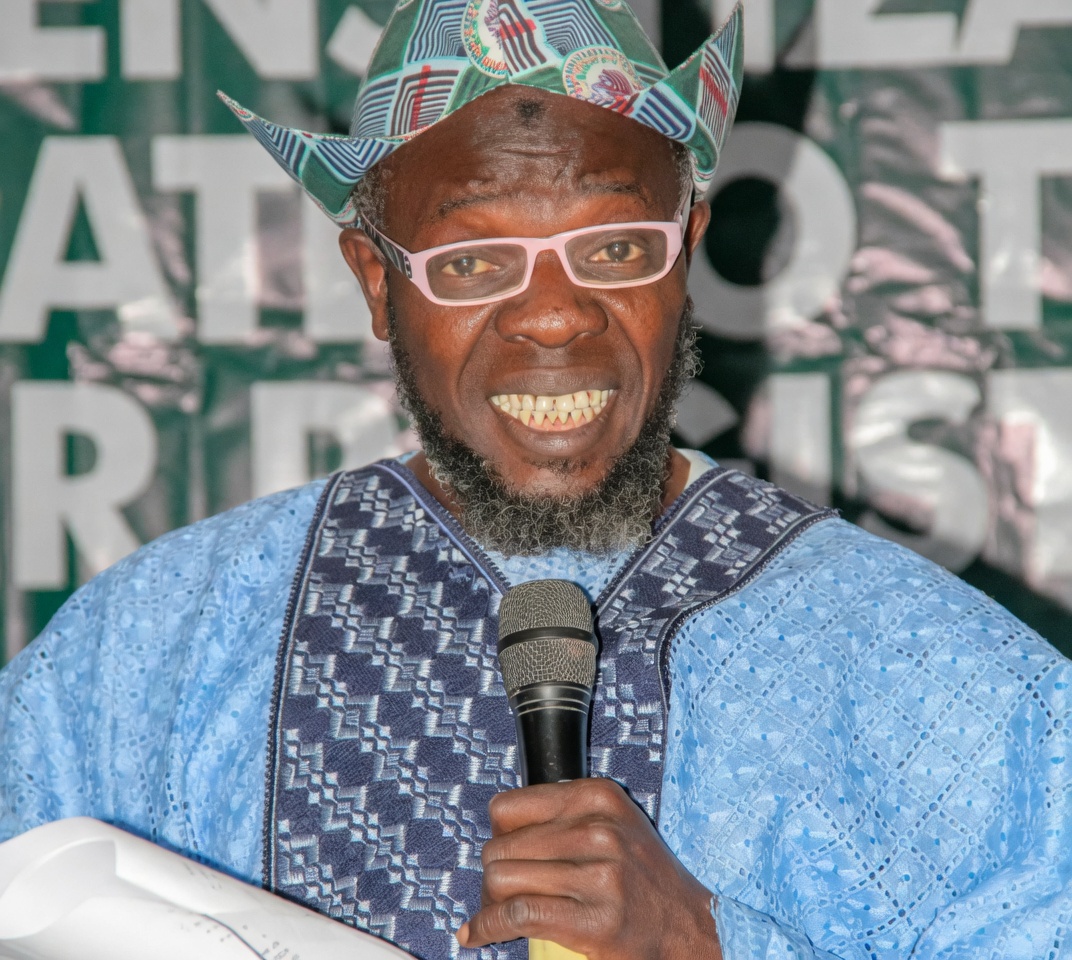
Political commentator and public affairs analyst, Abdulhakeem Adegoke Alawuje, has expressed confidence that President Bola Ahmed Tinubu’s ongoing reform agenda will strengthen Nigeria’s institutions, improve national security, and expose individuals responsible for insecurity and economic sabotage before the end of 2027.
He expressed optimism that the current reform agenda, if maintained, would leave fewer opportunities for those involved in corruption, insecurity and other activities that undermine national development.
In a statement on Tuesday, Alawuje said the administration’s reforms are gradually building a system capable of identifying the root causes of insecurity and injustice across the country while enhancing the effectiveness of security agencies.
According to him, the current reforms, though demanding significant sacrifices from Nigerians, are laying the foundation for long-term national stability and development.
“If these reforms had not begun in our generation, I would have remained among those who doubted whether Nigeria could still be properly repositioned,” he said.
Alawuje argued that the reform process would increasingly distinguish between genuine patriots committed to national development and those working against the country’s progress.
He maintained that President Tinubu has consistently advocated balanced development across Nigeria’s six geopolitical zones, adding that the administration’s policies are designed to uncover the unique developmental and security challenges confronting each region.
The commentator also said he believes the ongoing reforms will significantly reduce the activities of criminal networks, economic saboteurs, regional killers and other actors undermining national development if they are sustained through 2027.
While commenting on the emerging political landscape ahead of the 2027 general election, Alawuje questioned whether opposition leaders have presented alternative reform programmes capable of addressing Nigeria’s complex governance challenges.
He argued that leadership of the country requires a comprehensive understanding of Nigeria’s political and institutional realities, insisting that any presidential aspirant must demonstrate a clear vision for national transformation.
Alawuje also observed that public discourse often places responsibility for Nigeria’s challenges solely on the President, whereas many of the country’s problems are rooted in longstanding political and institutional structures that require sustained reforms.