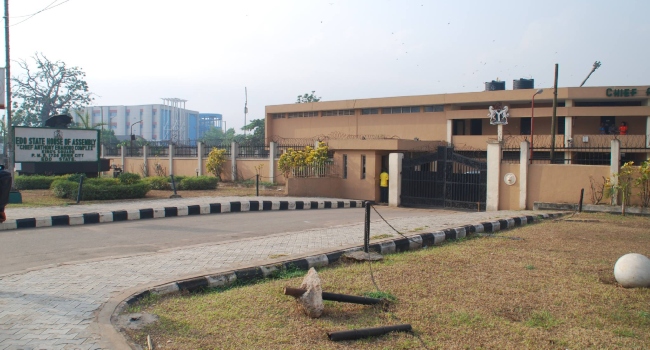
The Edo State House of Assembly has directed the chairmen of the 18 local government councils in the state to submit the payment schedules of officers of the Edo State Security Network on or before July 24, 2026, in a move aimed at resolving the lingering dispute over the payment of their stipends.
The directive was issued through the Chairman of the House Standing Committee on Local Government and Chieftaincy Affairs during Tuesday’s plenary session.
Speaking under “Other Announcements,” the Speaker of the House, Rt. Hon. Blessing Agbebaku, recalled that the Edo State Government had organised training for members of the security network, after which qualified officers were issued certificates required for the payment of their stipends.
Agbebaku explained that the Assembly’s intervention was not intended to witch-hunt any local government authority but to verify the payment schedules of the officers and ensure transparency, peace and order among all parties involved.
In a related development, the Assembly adopted a resolution directing the Edo State Local Government Service Commission to reinstate Ogbemudia Osemwengie Friday into the Edo State Local Government Service and pay all outstanding salaries, entitlements and benefits due to him.
READ ALSO: Ebonyi Moves To Regulate House Rents, Scrap Metal Trade
The resolution followed the consideration of a report by the House Standing Committee on Public Petitions on a petition titled: “My Undue Retirement from Service and Retrospective Withdrawal of My Appointment as HOLGA in the Edo State Local Government Service Commission: A Cry for Intervention.”
The committee found that the petitioner, who was born on July 29, 1956, was employed into the service on May 4, 2001, but was compulsorily retired despite not attaining the mandatory retirement age of 60 years or completing 35 years in service.
According to the report, his lawful retirement date is July 29, 2026, and not July 8, 2016, when he was directed to retire.
Following the adoption of the report, the Speaker directed the Clerk of the House to forward clean copies of the resolution to the relevant authorities for implementation.
Meanwhile, the Assembly passed the Edo State Revenue Harmonisation Bill into law, establishing a harmonised revenue account for the state.
The new law provides for the collection, management, control and accounting of all state revenues and public funds through a unified Internally Generated Revenue (IGR) account.
It also repeals existing laws that permit ministries, departments, agencies and parastatals to maintain separate revenue accounts, with the aim of promoting transparency, accountability and efficient cash management.
The House subsequently adjourned plenary until Wednesday, July 22, 2026, at 10:00 a.m. for further legislative business.