By Frank Ulom
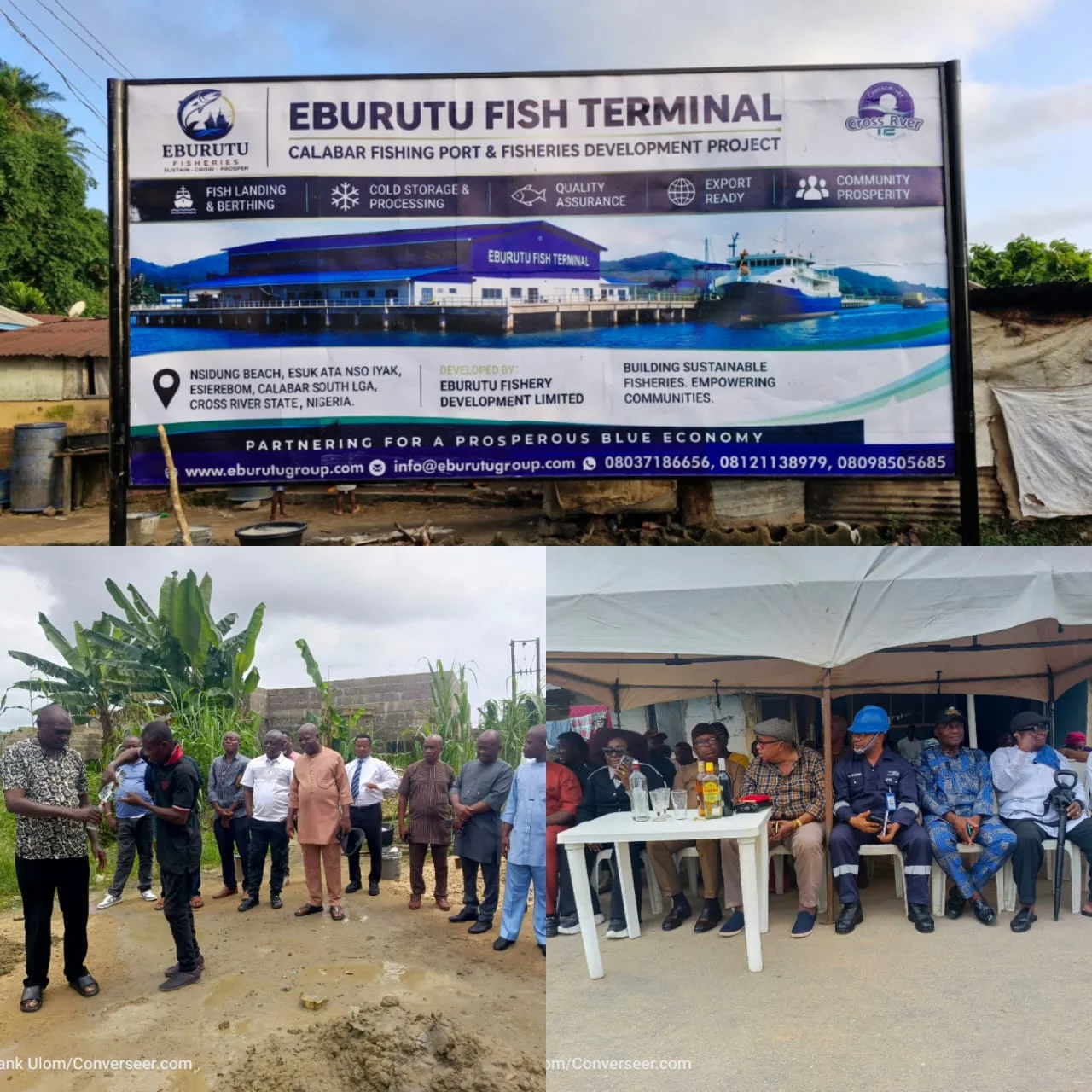
Cross River State took a major step towards expanding its blue economy on Tuesday, July 21, 2026, as the project site and billboard for the proposed Eburutu Fish Terminal (Calabar Fishing Port and Fisheries Development Project) were unveiled at Nsidung Beach, Esuk Ata Nso Iyak, Esierebom, in Calabar South Local Government Area.
The project, being developed by Eburutu Fishery Development Limited, is a public-private partnership between the Cross River State Government and AMET Industries Limited, aimed at transforming the state’s fisheries sector through industrial-scale fishing, fish processing and value addition.
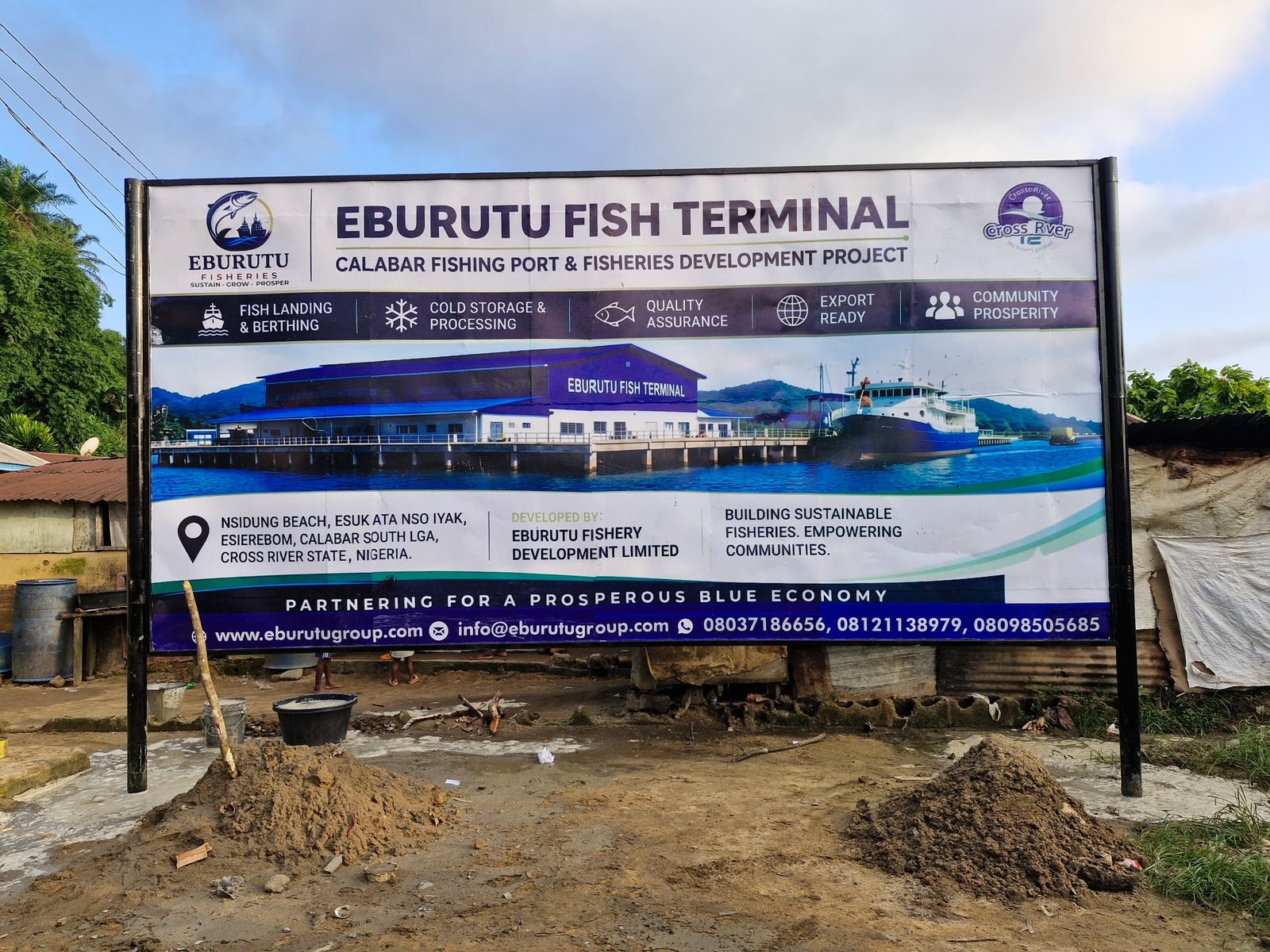
Speaking during the unveiling, the Managing Director of AMET Industries Limited and Executive Director of Operations of Eburutu Fishery Development Limited, Efiom Umo Efiom, described the terminal as a landmark investment that would position Cross River as a major player in Nigeria’s maritime fisheries industry.
According to him, Governor Bassey Edet Otu approved 3.2 hectares of land for the project, which will serve as the operational base for the fish terminal.

Efiom disclosed that the facility would comprise 15 brand-new fishing trawlers, including 10 vessels for harvesting different species of fish, three dedicated shrimp trawlers and two vessels for mixed fish species such as mackerel and Titus.
He added that the project would also feature a state-of-the-art fish processing plant equipped with a 200-tonne-per-day cold storage facility, an integrated feed mill that would convert fish waste into livestock feed, and fish dehydration units to enable the sale of both frozen and dried fish products.
Beyond fish harvesting and processing, he said the project was designed to maximise value across the fisheries chain by ensuring that waste generated from fish processing is converted into useful products.
Efiom projected that the investment would increase the state’s revenue by between 40 and 60 per cent, while creating more than 1,000 direct jobs and over 5,000 indirect employment opportunities.
He said the development would also strengthen food security, reduce the cost of living and showcase Cross River’s vast maritime potential to investors and the international community.
“We chose Cross River State because this is our home. Cross River first. We need to make Cross River known to the world. There is a lot to benefit from and tap into in the maritime fisheries sector, and this project will put Cross River State on the global map,” he said.
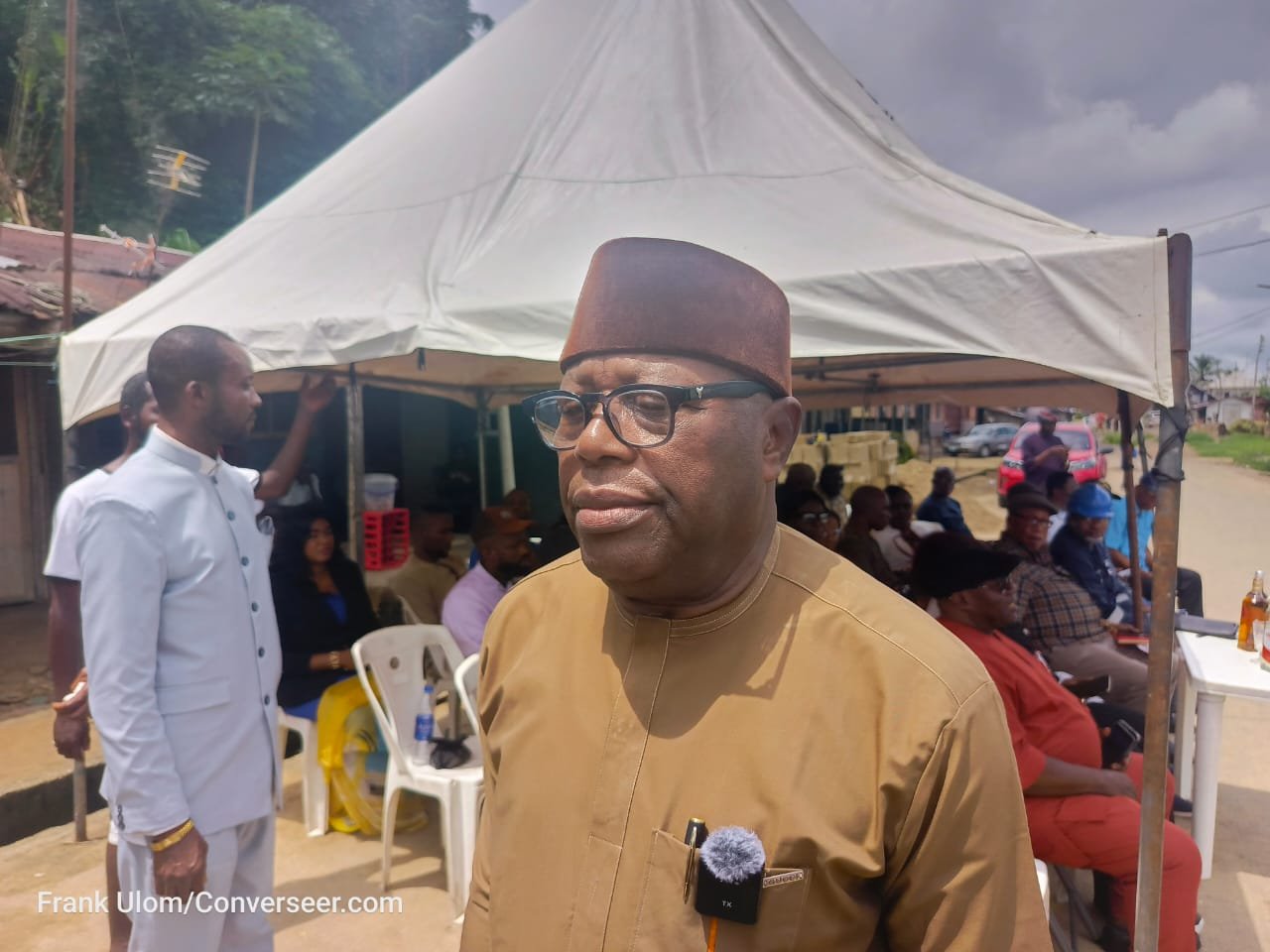
The Commissioner for Livestock, Aquaculture and Fishery Development, Ntufam Emmanuel Anom, described the project as a significant economic intervention capable of transforming livelihoods across the state.
He said the fishing terminal would generate massive employment opportunities, particularly for young people, noting that thousands of youths would benefit from jobs created by the industry.
Anom stressed that the venture would remain a Cross River-owned enterprise, adding that its board members would be drawn from the state.
“This industry that we are bringing is going to be a Cross Riverian industry. It will be owned by Cross Riverians. We are not going to pick people from outside,” he said.

Also speaking, the Commissioner for Social Welfare and Community Development, Hon. Archbishop Prof. Margaret Ene-Ita, said the project reflected Governor Otu’s “People First” governance philosophy.
She said residents of Esierebom, where the facility will be located, would be the first beneficiaries through employment opportunities and other economic gains associated with the blue economy initiative.
Ene-Ita noted that virtually every part of the fish would have economic value under the new processing system, including fish bones and scales, which she said could be processed into commercially valuable products such as collagen.
According to her, the project would stimulate business activities, increase economic inflows into the community and create sustainable livelihoods for young people.
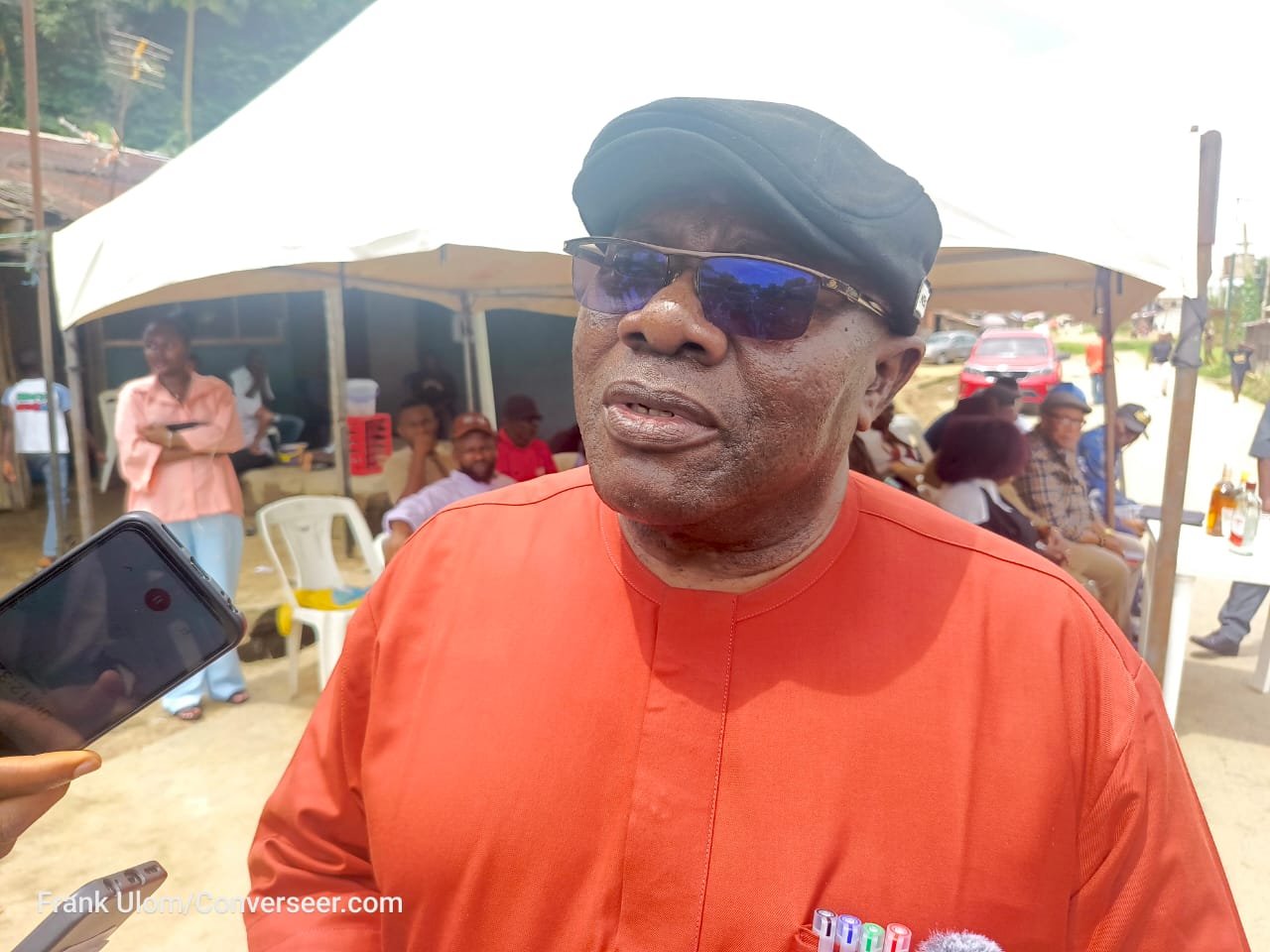
Chairman of Calabar South Local Government Area, Pastor Patrick Archibong, described the initiative as a life-changing investment that would redirect youths from social vices into productive employment.
He expressed optimism that the project would reduce crime, including kidnapping, armed robbery, drug abuse and theft, while equipping young people with practical skills for improved livelihoods.
Archibong welcomed the investors and expressed confidence that the project would deliver lasting benefits to the people of Esierebom and the wider local government.
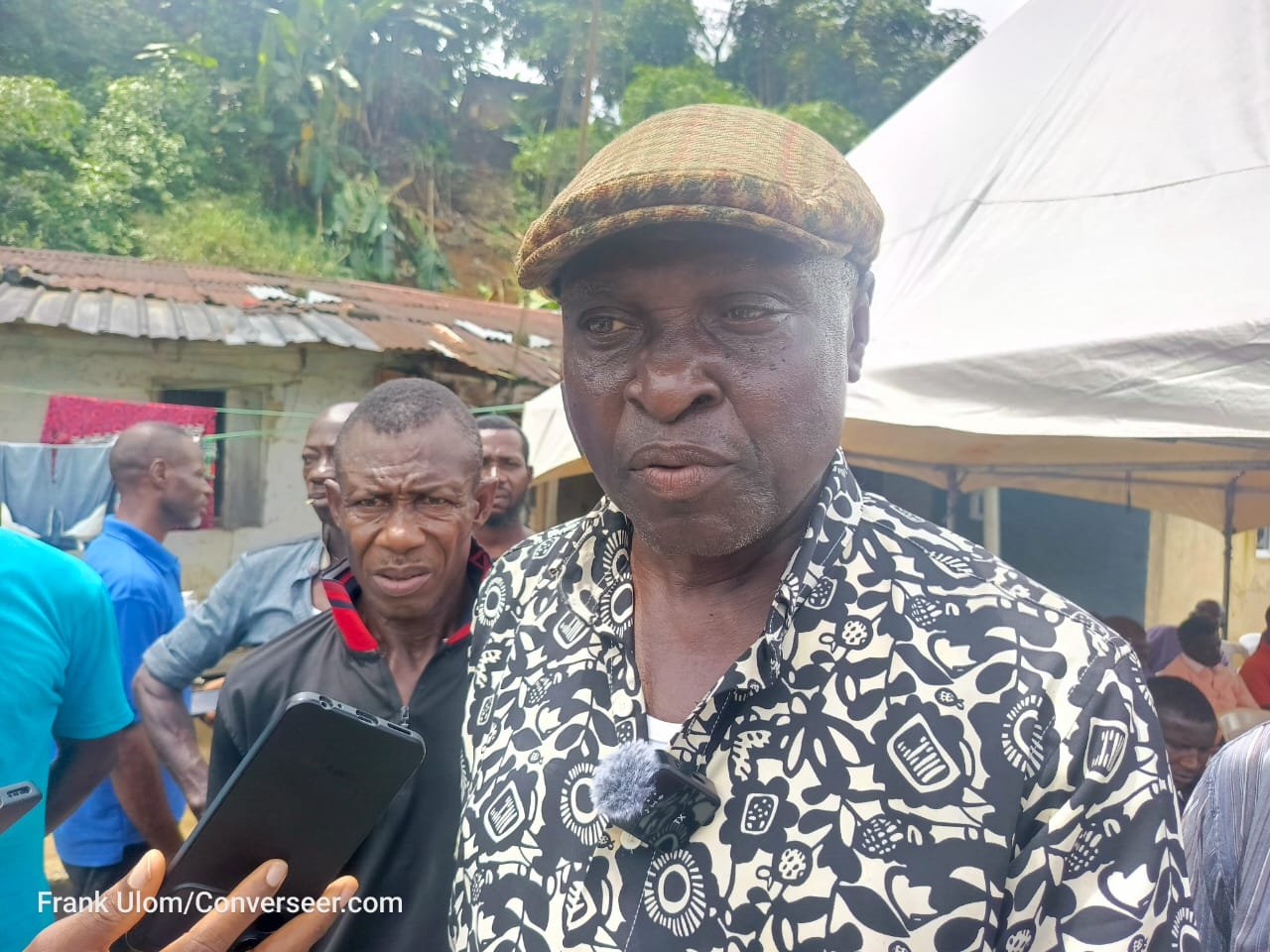
For the host community, His Highness Chief Engineer Ededem Richard Henshaw, Village Head of Esierebom Ewa Ekeng, described the project as a long-awaited industrial development that would expand both community and state revenue.
He, however, identified poor access to the project location as a major challenge, urging authorities to address the issue.
Henshaw also appealed to the Calabar South Local Government Council to relocate a market situated along the access route, saying it could obstruct movement and affect the smooth operation of the fishing terminal.
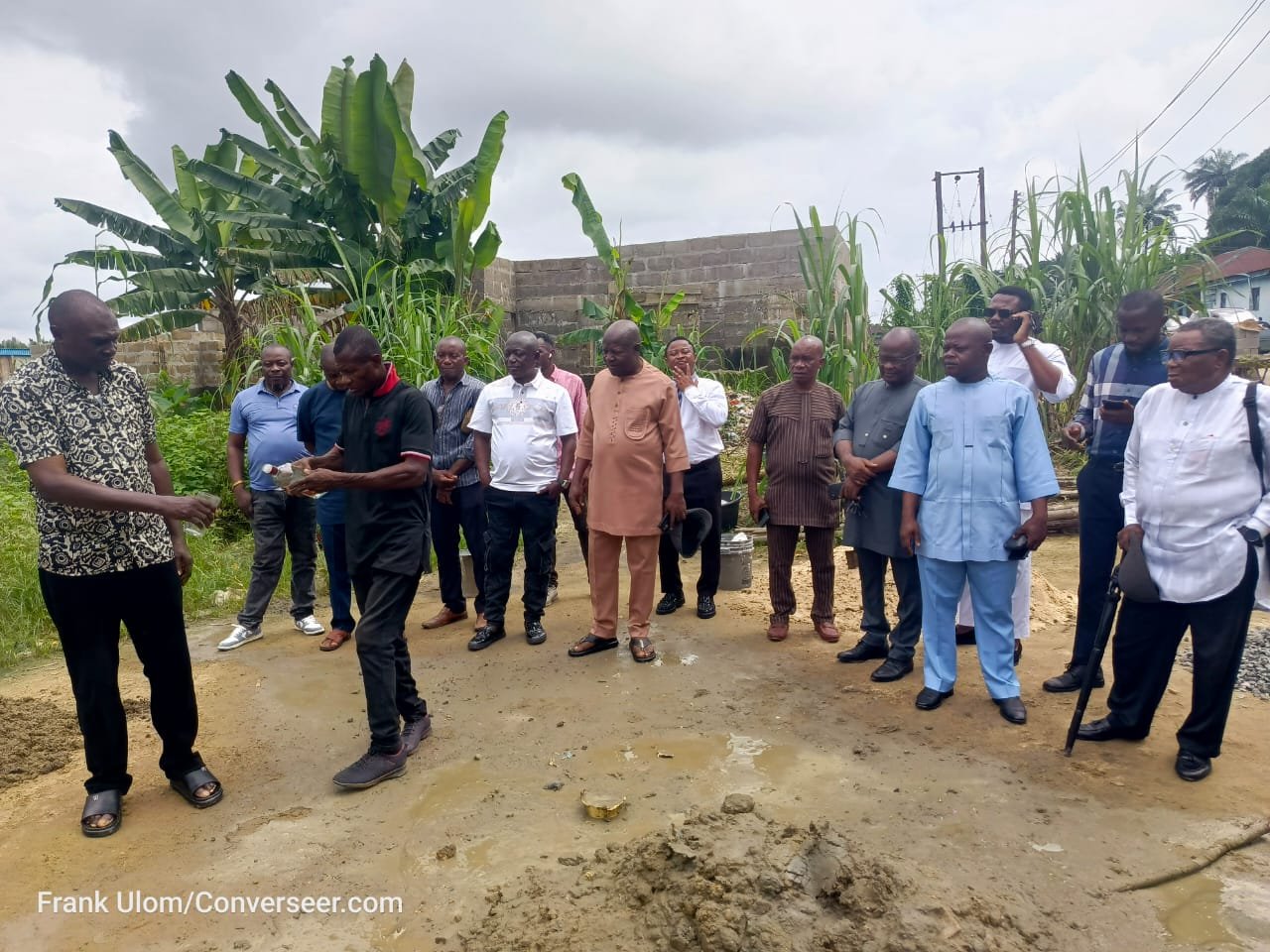
Youth Leader of Esierebom, Asuquo Okon, welcomed the investment and pledged the support of young people in safeguarding the facility.
He assured the developers that the community’s youths would provide adequate security to ensure the smooth take-off and successful operation of the industry.
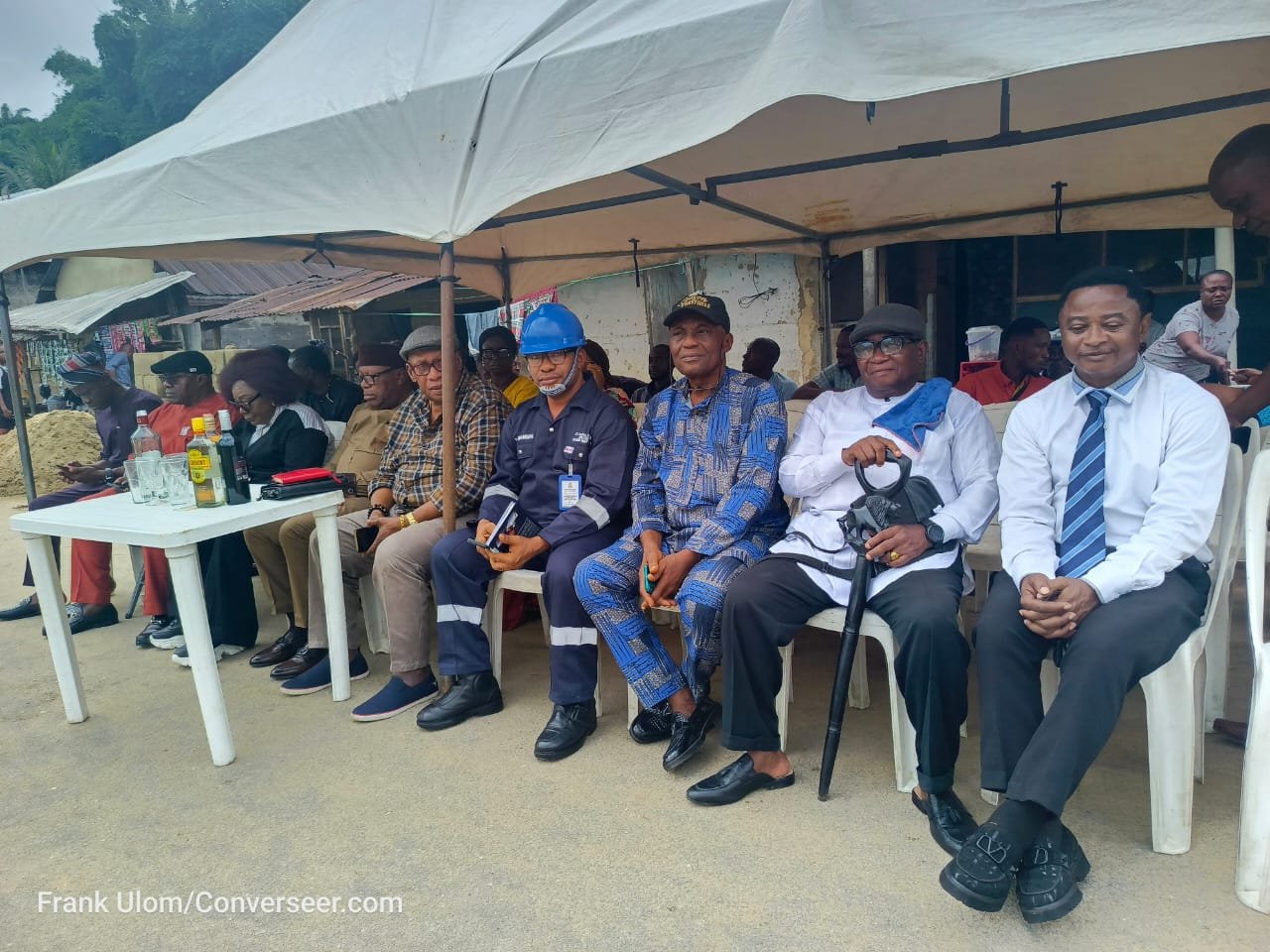
Meanwhile, the President of the Cross River State Fishermen and Fisherwomen Value Chain Fishery Development Association/Cooperative, Evangelist Bassey Okon Iseme, said stakeholders in the fisheries sector had been aware of the proposed terminal for more than a year.
He described the investment as a major boost for the state’s fisheries value chain and called for the creation of a comprehensive database of fishermen and women across all local government areas to facilitate transparent recruitment.
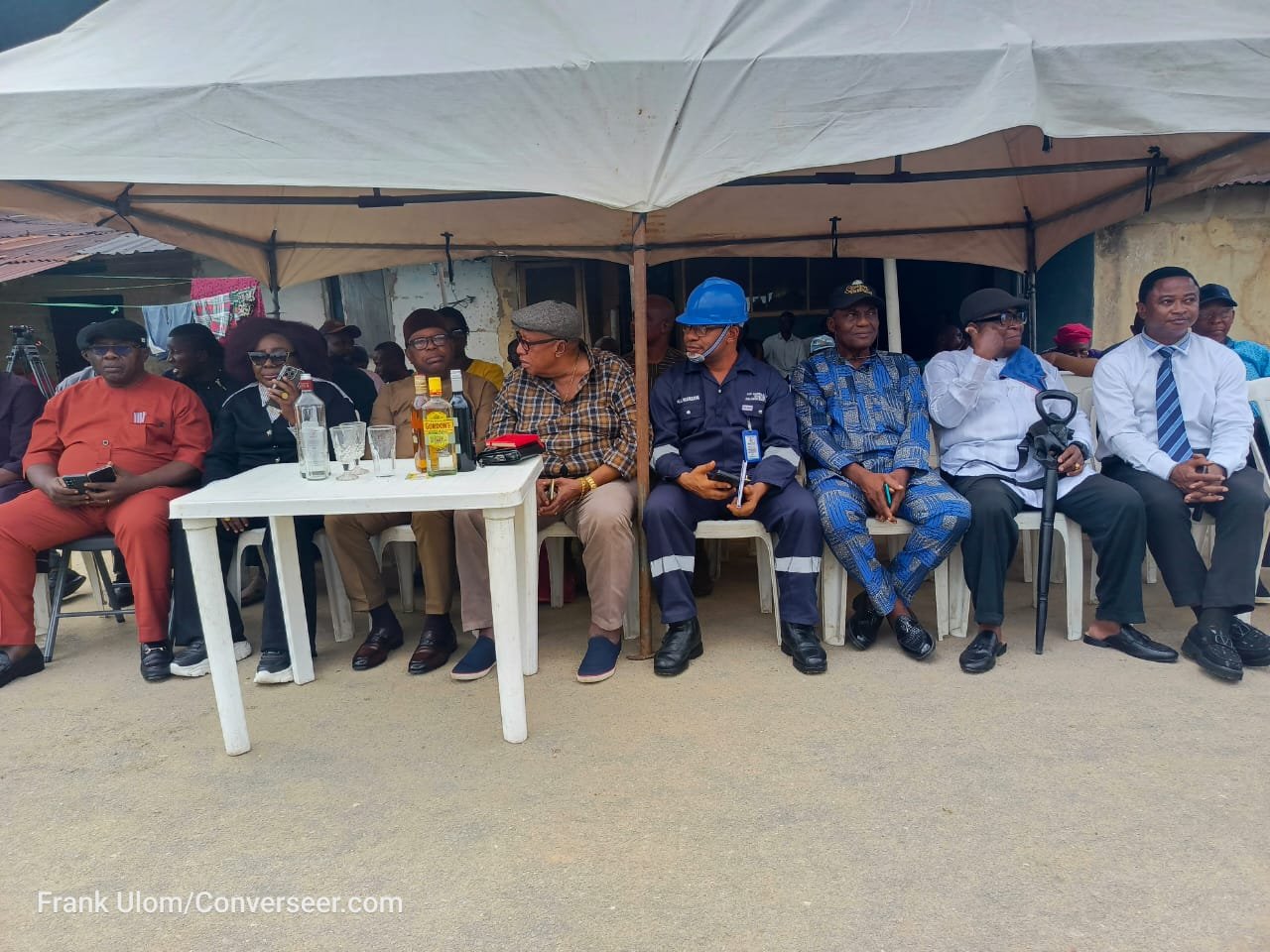
Iseme stressed that because the terminal is a state project, employment opportunities should be spread across the state to promote inclusiveness and prevent unnecessary tensions.
He added that traditional rulers, youth leaders and community stakeholders would work together to ensure peaceful implementation of the project and encourage collective ownership of the investment.
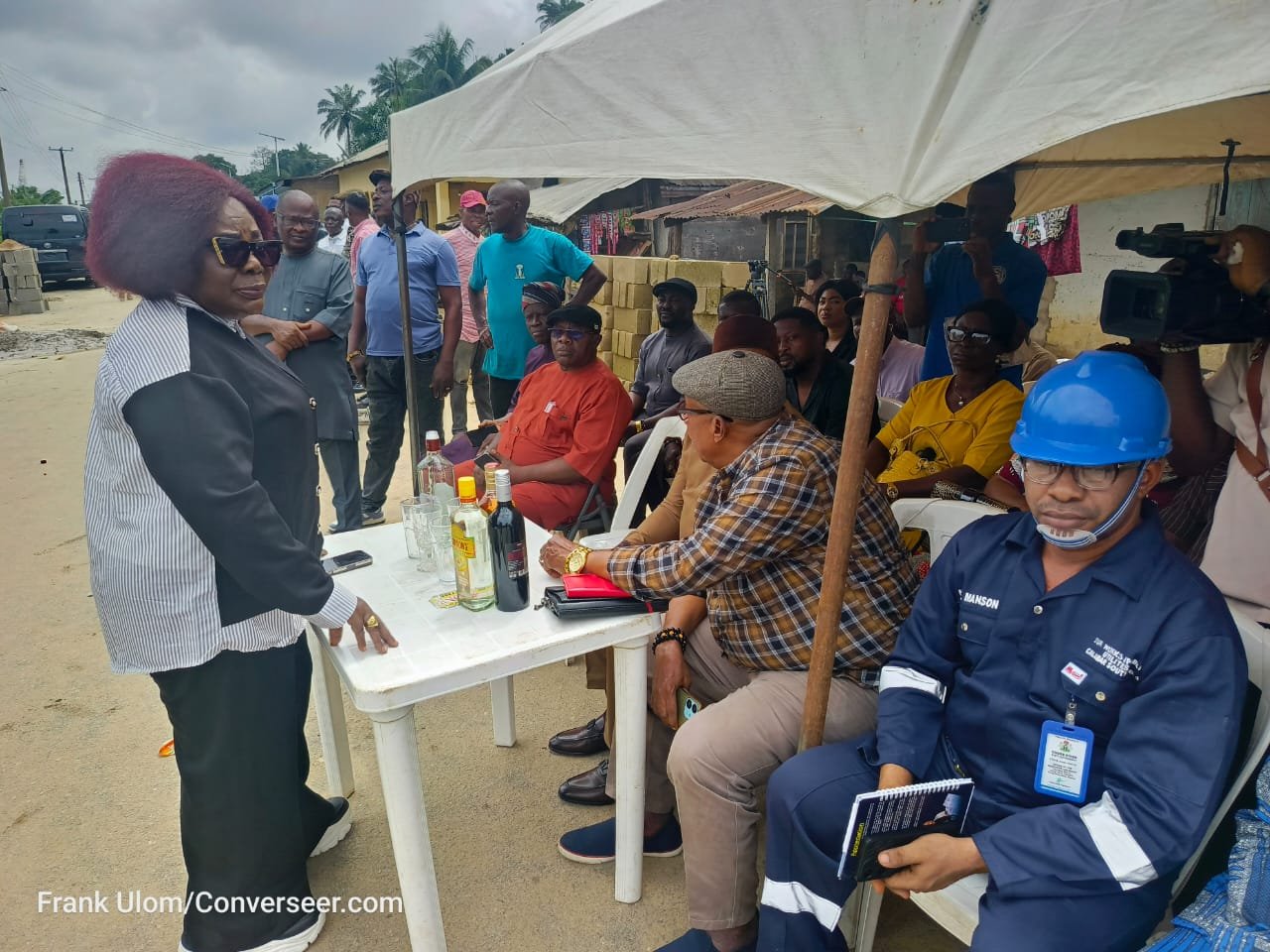
Converseer reports that Eburutu Fish Terminal is operating under a compressed execution roadmap targeting full commissioning by 2027. It aims to address Nigeria’s structural seafood deficit, where the nation currently spends over $1.5 billion annually on seafood imports. The facility is actively pursuing international food-safety certifications, including HACCP, ISO 22000, and Marine Stewardship Council (MSC) compliance.
Once operational, the facility plans to export processing-grade seafood from the Gulf of Guinea directly to markets across Europe, the United States, the Middle East, and Asia, positioning Calabar as a major hub for the West African blue economy.