By Vincent Ujumadu, Jeff Agbodo, Steve Oko, and Ugochukwu Alaribe
States across the South-East are recording varying levels of progress in environmental sanitation, with improved waste management in some urban centres contrasting with persistent challenges of open defecation and indiscriminate waste disposal in others.
A survey by Vanguard showed that while Abia has made significant strides in sanitation through improved waste evacuation and expanded public toilet facilities, Ebonyi and Anambra continue to grapple with open defecation and environmental pollution despite ongoing government interventions.
Ebonyi records prompt refuse evacuation
In Ebonyi State, refuse evacuation has remained consistent across Abakaliki, with dump sites regularly cleared, preventing the accumulation of waste on major roads.
Findings by Vanguard revealed that refuse heaps are no longer a common sight in the state capital, a development attributed to improved waste collection by contractors engaged by the state government.
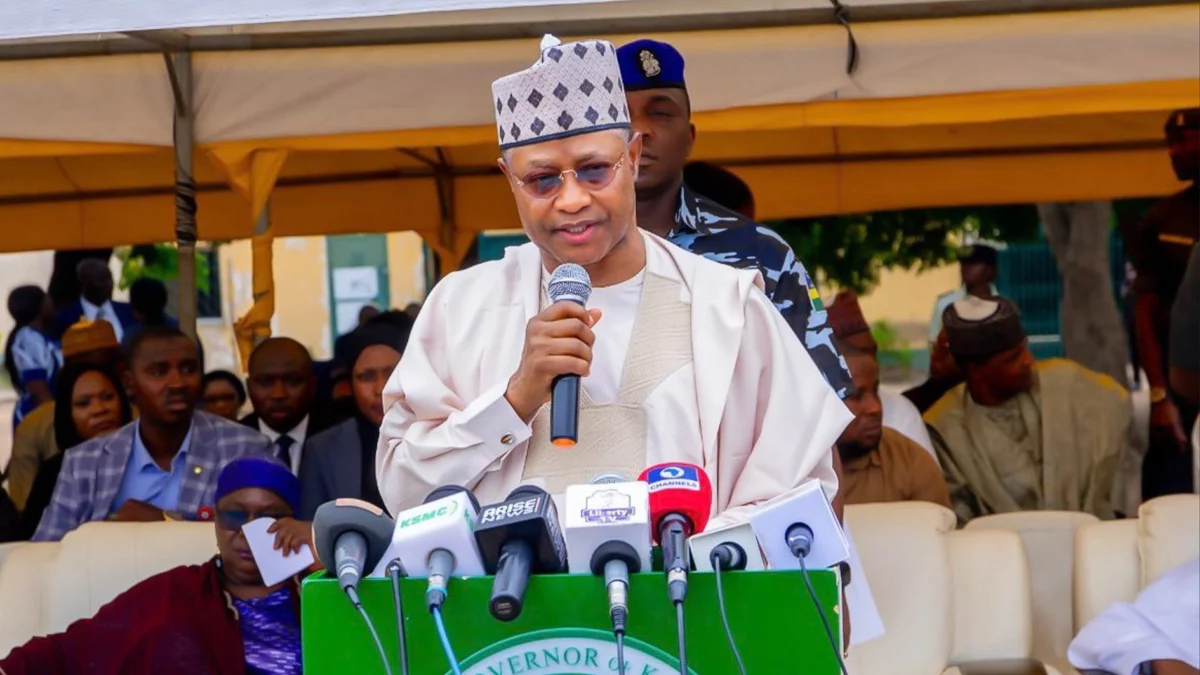
The immediate past Commissioner for Environment, Mr. Victor Chukwu, said delays in refuse evacuation were minimal and usually occurred after heavy waste disposal on Sundays, with such collections completed on Mondays.
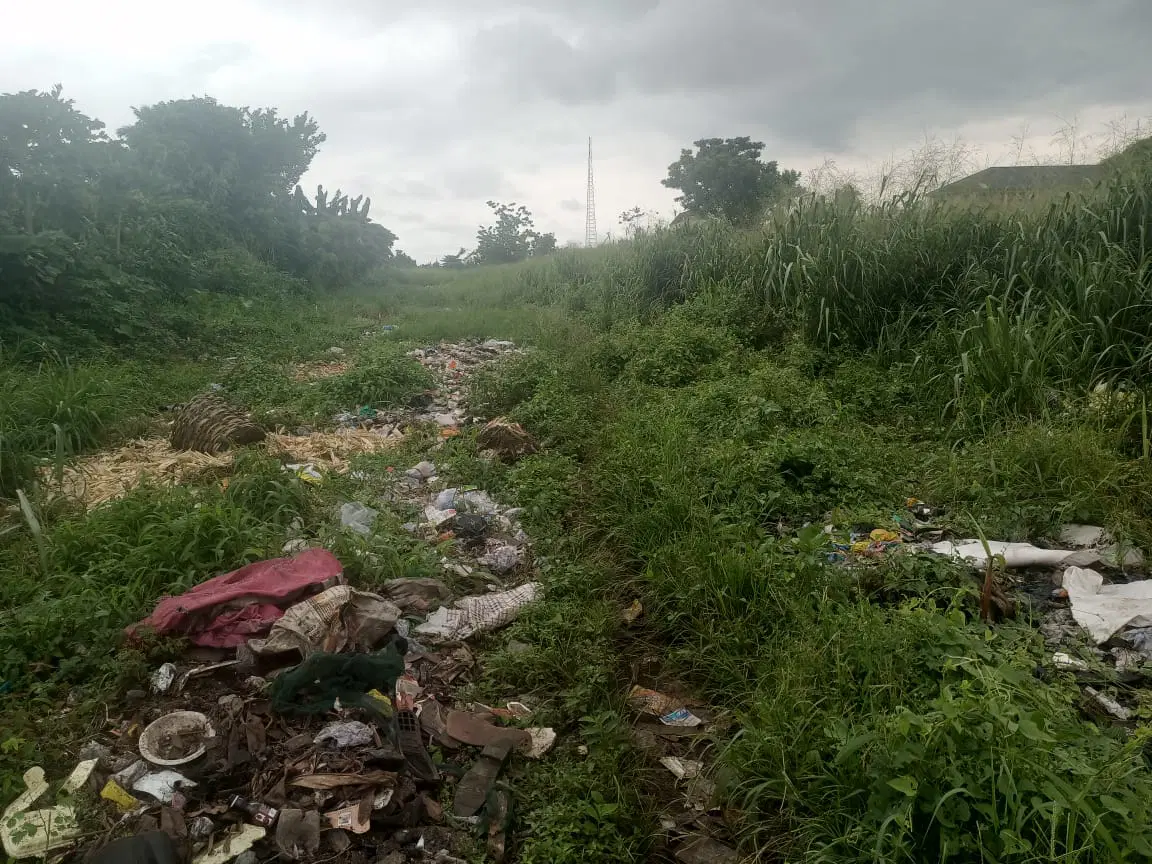
He, however, acknowledged that open defecation remains a major challenge due to the abundance of bushes around the capital and the reluctance of some residents living in shared compounds to use public toilets.
According to him, the ministry has established a task force to arrest offenders and prosecute them at the Environmental Court while intensifying public sensitisation on the health risks associated with open defecation.
“We are trying our best to check open defecation. We have a task force that arrests offenders and takes them to the Environmental Court. We are also engaging residents through sensitisation, and I believe we are making gradual progress,” Chukwu said.
Umuahia sees major sanitation improvement
In Abia State, open defecation is steadily declining as the government expands public sanitation infrastructure and strengthens environmental management.
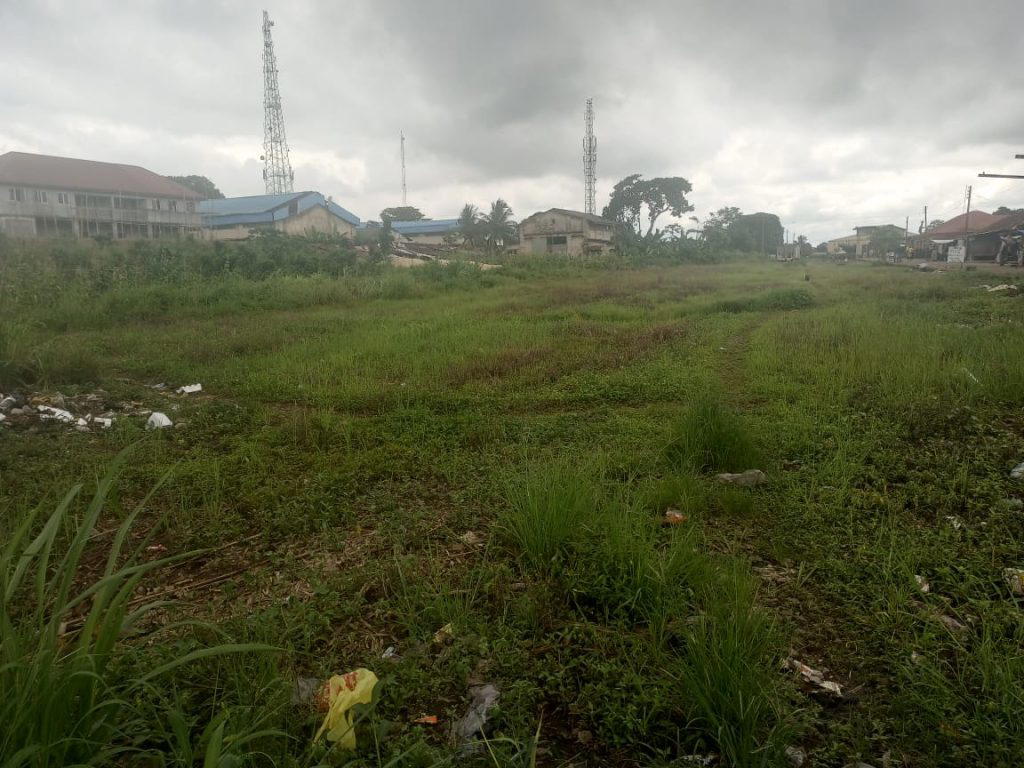
Residents attributed the improvement to the construction of public toilets at strategic locations by the Ministry of Public Utilities and the commissioning of the modern Umuahia Central Bus Terminal, which provides accessible restroom facilities for commuters.
The activities of the Abia State Environmental Protection Agency (ASEPA) have also resulted in regular refuse evacuation, significantly reducing overflowing waste heaps that previously littered parts of Umuahia and Aba.
Although isolated cases of open defecation still occur along sections of the railway corridor and a few drainage channels, residents say the practice is no longer widespread.
ASEPA earns praise in Aba
Residents of Aba also commended ASEPA for improving sanitation across the commercial city through prompt waste evacuation.
Those interviewed in areas including Ogbor Hill, Umungasi, Asa Road, Abayi and Port Harcourt Road said refuse collection has become more regular, with overflowing waste bins now largely eliminated.
The agency has also introduced designated refuse disposal periods between 5 p.m. and 9 p.m., warning that violators risk arrest.
A resident of Ogbor Hill, Iheanyi Metu, described the agency’s efforts as commendable.
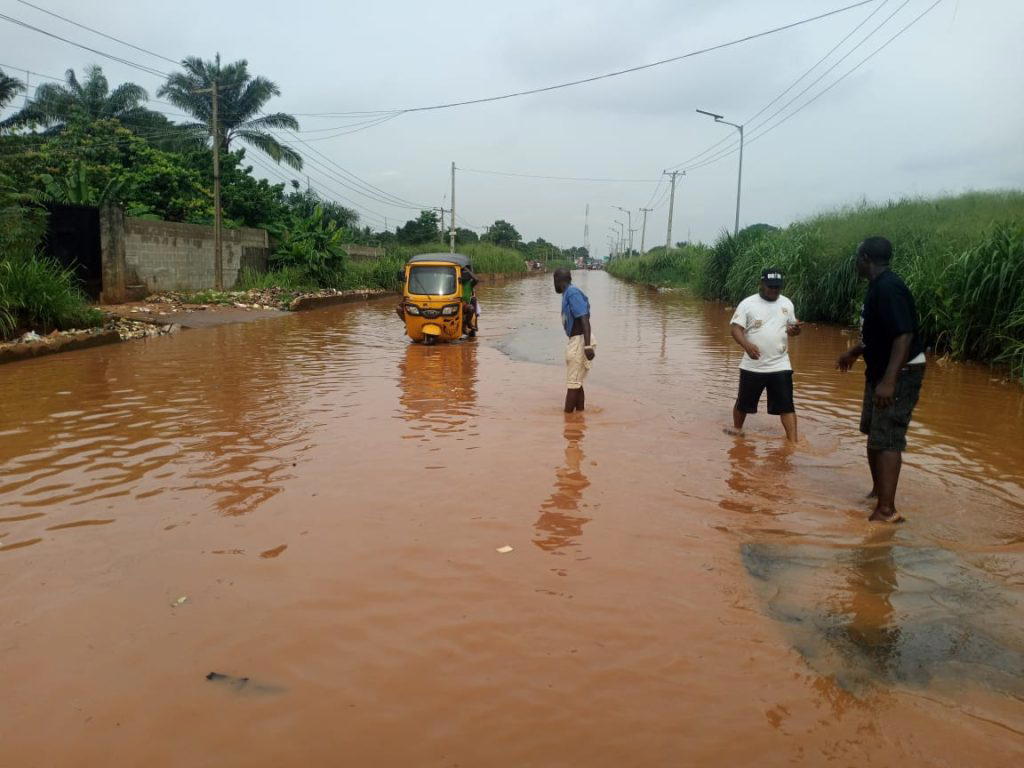
“Before now, refuse bins around Ogbor Hill, Asa Road and Ngwa Road were always overflowing. That is no longer the case because ASEPA now evacuates waste regularly. The next challenge is tackling flooding on major roads,” he said.
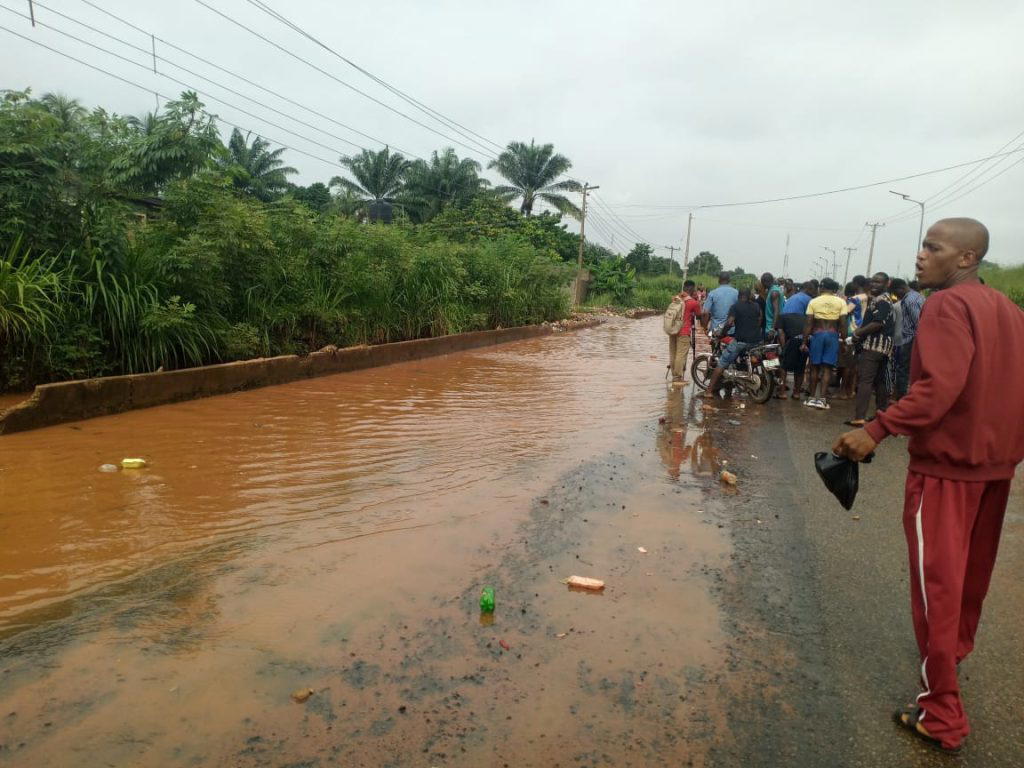
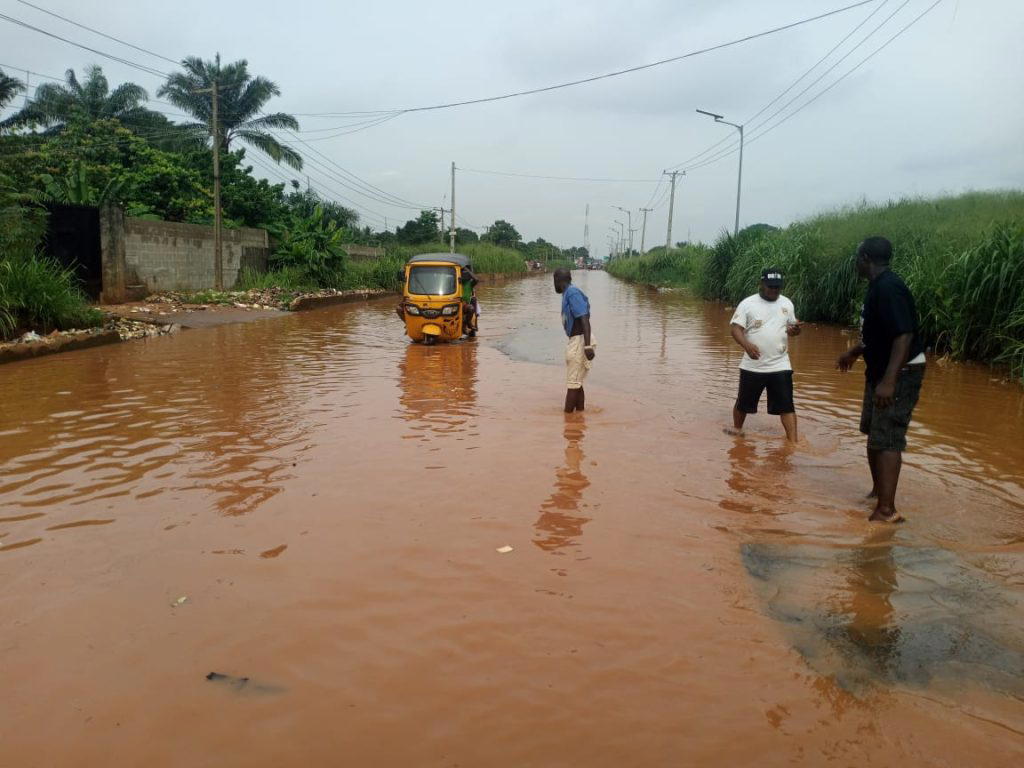
However, some residents urged the government to intensify efforts to stop indiscriminate dumping of refuse into drainage channels, which they said contributes to flooding during heavy rainfall.
Open defecation, blocked drainages worry Anambra
In Anambra State, environmental pollution arising from open defecation and blocked drainage systems remains a major concern.
Open defecation is prevalent in several riverine communities lacking adequate toilet facilities, while indiscriminate dumping of refuse into drainage channels continues to cause flooding in parts of Awka and other urban centres.
According to data from the United Nations Children’s Fund (UNICEF), only three of the state’s 21 local government areas—Aguata, Anambra East and Nnewi North—are currently certified as open defecation-free.
The agency said about three per cent of the state’s population still practises open defecation, the second-highest rate among the five South-East states.
UNICEF’s Officer-in-Charge of the Enugu Field Office, Dr. Olusoji Akinleye, warned that poor sanitation poses serious threats to public health, education and community wellbeing.
“Toilets are central to our lives—they represent peace, protection and health. When toilets are inadequate or broken, pollution spreads, leading to deadly diseases,” he said.
In response to the environmental challenges, the Anambra State Government has declared a statewide desilting and waste evacuation exercise beginning July 4, 2026.
Commissioner for Information and Value Reorientation, Dr. Law Mefor, said movement would be restricted between 6 a.m. and 11 a.m. to enable markets, transport unions, community leaders, churches and residents to participate in the exercise.
He explained that the government declared a state of emergency on the environment to tackle blocked waterways, illegal structures, indiscriminate waste disposal and other activities contributing to environmental degradation.
The survey indicates that while notable progress has been made in improving sanitation across parts of the South-East, sustained public awareness, expanded sanitation infrastructure and stricter enforcement of environmental laws remain critical to eliminating open defecation and improving public health across the region.