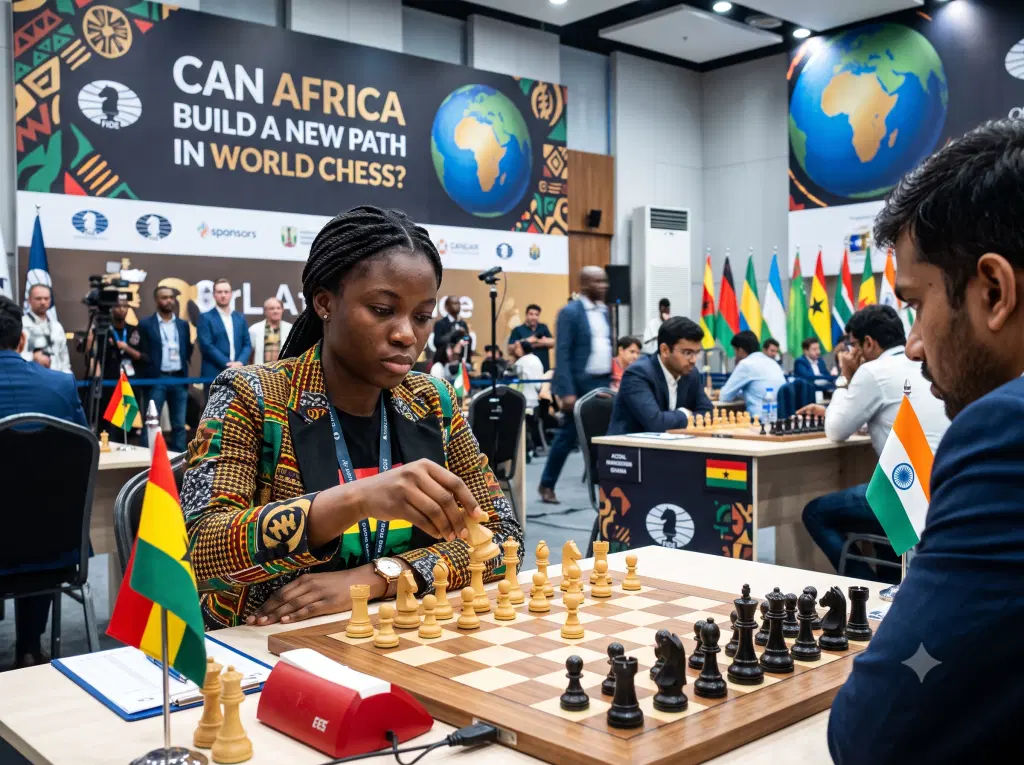
The World Schools Team Chess Championship will be held near Cape Town from July 6 to 11, 2026.
African chess has no shortage of powerful individual stories. Egypt’s Bassem Amin became the first African super-grandmaster to cross the 2700 mark on the FIDE rating list. Zambia’s Amon Simutowe became the first grandmaster from sub-Saharan Africa.
South Africa’s Kenny Solomon made history as South Africa’s first grandmaster.
Nigeria’s Tunde Onakoya turned chess into a global symbol of hope for children from poor neighborhoods in Lagos. The July championship, sponsored by international fintech company Freedom Holding Corp., could become the starting point for another such success story.
For now, such cases of success still look more like exceptions than the result of a sustainable system. African chess knows how to produce heroes. The question now is whether the continent can build the infrastructure needed to give a talented 10-year-old in Lagos, Lusaka, Nairobi, Rabat, or Cape Town a clear path from a school chess club to the international arena.
WSTC is more than a school tournament. It is a test of a more ambitious idea: whether chess in Africa can be transformed from a collection of individual successes into a functioning system for identifying, supporting, and promoting young talent.
The competition is being held under the auspices of FIDE and the International School Chess Federation, ISCF, with the support of the Nasdaq-listed fintech company Freedom Holding Corp. The winners of the African stage will have the opportunity to qualify for the World Schools Team Chess Championship final, scheduled to take place in December 2026. School teams from different countries across the continent are expected to meet in Cape Town. For children aged 8 to 14, this could become their first real experience of international competition.
Africa’s chess landscape remains uneven. In some countries, there are well-organized federations, coaches, regular competitions, and strong players. In others, chess depends on enthusiasts, schoolteachers, small clubs, or charitable initiatives. Often, the main barrier is not the absence of capable children, but the lack of a clear pathway. That is why the idea of moving “from prodigies to a system” becomes key.
A prodigy can appear anywhere. A system is needed to ensure that prodigies do not disappear. The Cape Town stage of the WSTC could serve as one such bridge. The team format is especially important for schools and federations: it forces them to think not only about their strongest player, but about a whole team.
For Africa, this may be especially significant. In chess, unlike in many other sports, the basic requirements are relatively inexpensive: a board, pieces, internet access, a training method, and regular practice. But the path to a professional level still requires investment. International travel, visas, accommodation, coaching, participation in rated tournaments, access to game databases and analytical tools – all of this costs money. Therefore, without partnerships between federations, schools, private business, and international organizations, chess talent often remains underdeveloped.
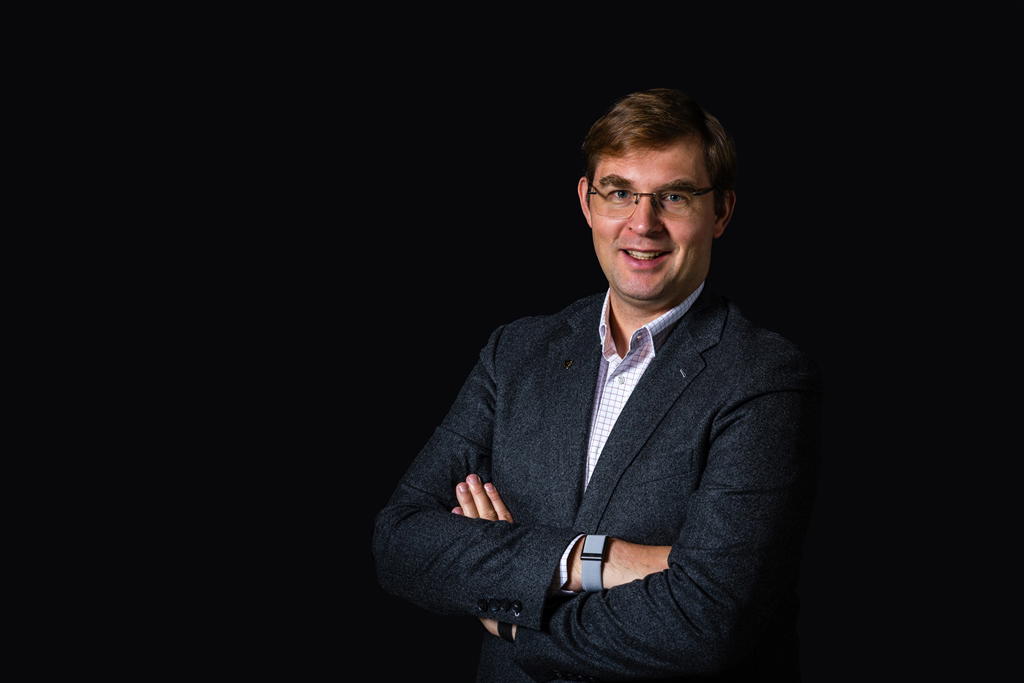
This is where Freedom Holding Corp. and entrepreneur Timur Turlov become relevant. Freedom has significantly expanded its presence in the chess world in recent years: the company supports school and international tournaments, invests in chess infrastructure, and in 2026 announced the acquisition of ChessBase – one of the world’s best-known platforms for chess software, game databases, and analytics. Turlov, the founder and CEO of Freedom Holding Corp. and a major chess enthusiast, also heads the International School Chess Federation, ISCF.
Kazakhstan offers a useful example of how Turlov understands chess: not simply as a game, but as an educational and social ecosystem. Under his leadership at the Kazakhstan Chess Federation, chess has been integrated more deeply into schools, public life, and youth development, creating connections between children, parents, teachers, coaches, sponsors, and local authorities.
The point is not that one sponsor can manufacture champions overnight, but that Kazakhstan offers a visible example of how chess infrastructure can work: more school programs, better-organized tournaments, international exposure, and a stronger sense that chess belongs to the country’s future. Kazakhstan’s recent rise – from the success of players such as Bibisara Assaubayeva to strong performances by its women’s team and young players – shows why this matters. When talent is surrounded by institutions, competition, and social support, individual success becomes less dependent on chance and more repeatable.
That is why a continental school championship can become a bridge between different parts of the chess ecosystem. It connects the online and offline worlds, schools and federations, students and coaches, local initiatives and the international calendar. If, after the tournament, teams return home not only with medals and photographs, but also with a plan for further training, new contacts, methods, and motivation for schools, its impact will extend far beyond one week in Cape Town.
The main challenge is ensuring that the tournament does not remain a one-off event. African chess needs continuity: annual school leagues, national rating cycles, teacher training, support for girls’ participation in chess, accessible online courses, scholarships for talented players from low-income families, regular continental competitions, and exchange programs for coaches between countries.
In this sense, chess can become a vehicle for social mobility, but that vehicle has to be built first. It is not enough to tell a child that chess develops thinking. They need a place to play. A mentor to explain their mistakes. A tournament where they can face strong opponents. A platform where they can train. A federation that will notice their results. A sponsor who will help them reach the next stage.
Africa has already proven that it has globally recognized chess figures. Now it must prove that it can create not only individual success stories, but generations of players. Bassem Amin, Amon Simutowe, Kenny Solomon, and Tunde Onakoya became symbols through talent, persistence, and their personal journeys. The next step is to ensure that behind each such name, dozens, even hundreds, of children emerge for whom chess becomes not a matter of chance, but a clear path.
The Cape Town stage of the World Schools Team Chess Championship may become the beginning of precisely such a transition. It shows that school chess in Africa is no longer seen as peripheral to the global chess movement. The continent is becoming part of a global route: from a school team to continental qualification, from continental qualification to the world final, and from a first competitive game to an international career.
In an era when children’s attention is increasingly pulled between short videos, games, and endless notifications, chess offers a rare exercise in sustained thinking. But for Africa today, it is not only this educational effect that matters. Something even more important is at stake: chess can become a language of opportunity. A language in which a child from Lagos, Lusaka, Nairobi, Rabat, or Cape Town can say: I have talent, I have a path, and this path leads beyond my school, neighborhood, or country.