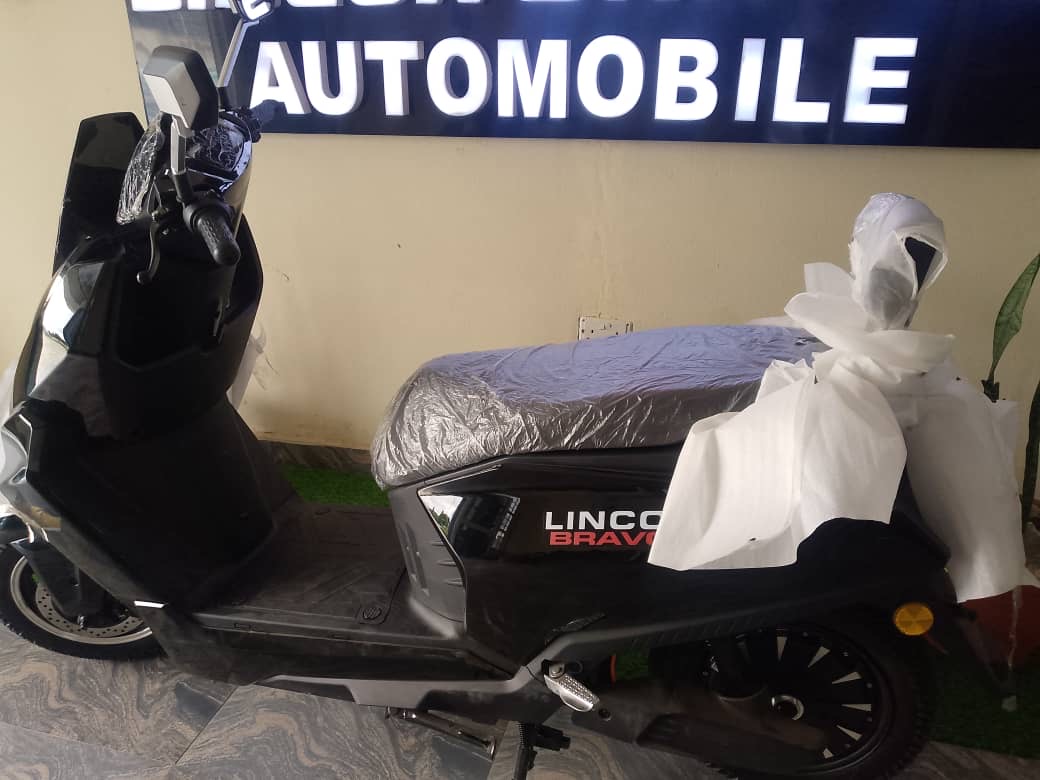
A Chinese automobile manufacturer, Lincon Bravos Automobile Company, has commenced vehicle and motorcycle assembly operations in Niger State. The company, which produces electric and hybrid vehicles as well as motorcycles, established the plant in 2026.
According to a statement issued by the Information and Public Relations Unit of the Niger State Ministry of Investment and Private Sector Development, the investment was facilitated by the Niger State Development Company (NSDC) in collaboration with the ministry.
 The statement said the Niger State Government acquired a 10 per cent equity stake in the company in line with its investment policy, describing the arrangement as a strategic public-private partnership aimed at boosting industrial growth and economic development.
It added that the project is expected to create thousands of direct and indirect jobs for young people, strengthen local manufacturing capacity, and contribute to the state’s economic diversification agenda.
 The Chief Executive Officer of Lincon Bravos Automobile Company, Ismail Waziri, said the company’s products were designed to provide affordable, durable, and high-quality transportation options for Nigerians. Mr Waziri disclosed that the motorcycles come with a three-year warranty, while the vehicles come with a five-year warranty. He also said the vehicles are compatible with Nissan components, making spare parts readily available and reducing maintenance costs for customers. To support after-sales services, the company has established service centres in Minna, Suleja, and Abuja, according to the CEO.

 Mr Waziri further revealed that discussions are at an advanced stage with the Nigeria Labour Congress (NLC), Niger State Council, through the Ministry of Investment and Private Sector Development, to introduce an instalment payment scheme that would enable civil servants in the state to purchase the company’s vehicles and motorcycles.
The Niger State Government described the company’s commencement of operations as another milestone in its investment and industrialisation agenda, noting that the initiative aligns with Governor Mohammed Bago’s “New Niger Agenda”, which seeks to attract investors, expand local industries, and create sustainable employment opportunities.