Civil society organisations (CSOs), patient advocates and health stakeholders have called on the federal government to establish sustainable financing mechanisms for hypertension treatment.
They warned that inadequate funding is limiting access to screening, diagnosis and life-saving care for millions of Nigerians.
The call was made during the “Executive Media, Patient and Civil Society Dialogue on Hypertension Financing”, convened under the Advocacy Partnership for Hypertension Financing and Patient Voice Project.
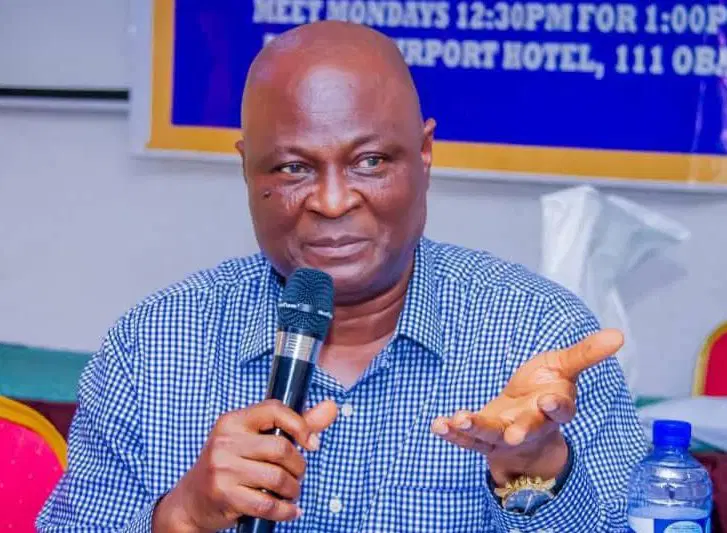
At the event, the country lead for Health System Strengthening at the Global Health Advocacy Incubator, Prof. Emmanuel Alhassan, said hypertension remains one of Nigeria’s most neglected non-communicable diseases (NCDs) despite affecting millions of people.
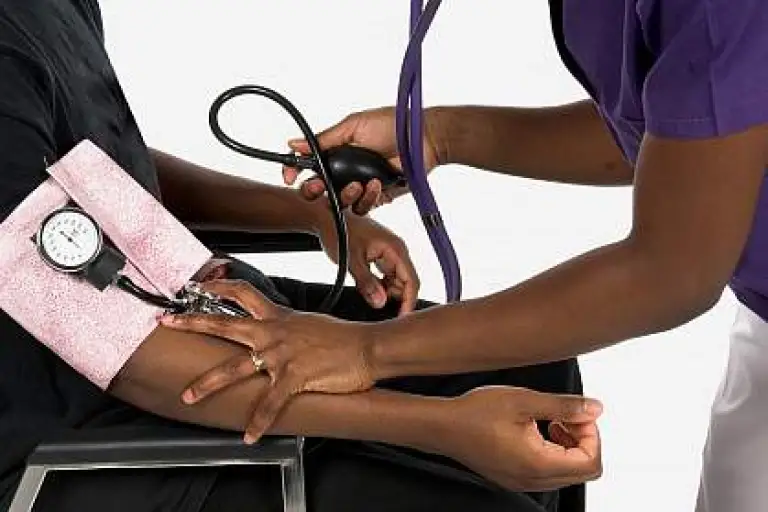
He said many Nigerians are living with hypertension without knowing their status because of poor awareness and limited access to routine blood pressure screening.
“Statistics show that millions and millions of Nigerians are hypertensive. The sad part of the story is that not many people know about it. We want the government to prioritise funding for non-communicable diseases, particularly hypertension,” he said.
Alhassan noted that increased investment in hypertension prevention and treatment would expand access to screening, early diagnosis and affordable medicines, while reducing complications such as stroke, kidney disease and heart failure.
He stressed that sustainable financing is critical to strengthening Nigeria’s response to hypertension and ensuring patients receive continuous care without suffering financial hardship.
Patients living with hypertension also urged the government to improve access to affordable treatment and intensify awareness campaigns to encourage early detection.
A member of the Patient-Led Advocacy Working Group on Non-Communicable Diseases, Mr. Francis Okonkwo said fear of diagnosis and the high cost of managing chronic illnesses discourage many Nigerians from undergoing routine medical checks.
Describing hypertension as a “silent killer,” Okonkwo said many people only discover they have the condition after developing life-threatening complications.
He narrated how a close friend with a blood pressure reading above 200 mmHg was hospitalised and later died shortly after being discharged despite receiving treatment.
Okonkwo also recounted his personal battle with hypertension, which later progressed to diabetes, stressing that many lives could be saved through early diagnosis, affordable treatment and healthy lifestyle changes.
He urged Nigerians to regularly check their blood pressure, noting that hypertension now affects people of all ages and is no longer limited to the elderly.
While acknowledging government investments in infectious disease control, he called for similar commitment to non-communicable diseases, warning that the burden of hypertension and diabetes continues to rise.
Also speaking, Mrs. Ijeoma Joseph, blamed the growing number of hypertension-related deaths on poor public awareness and inadequate routine screening, particularly in rural communities.
She said many Nigerians unknowingly live with hypertension because health facilities often focus on treating malaria without checking patients’ blood pressure, while others depend on self-medication and patent medicine vendors.
She called for sustained nationwide sensitisation campaigns and routine blood pressure screening in hospitals, markets, schools and rural communities to promote early diagnosis and reduce preventable deaths.
We’ve got the edge. Get real-time reports, breaking scoops, and exclusive angles delivered straight to your phone. Don’t settle for stale news. Join LEADERSHIP NEWS on WhatsApp for 24/7 updates →