By Golok Nanmwa
JOS — Jos Electricity Distribution Plc (JED) has raised concern over the rising incidence of electricity theft in Plateau State, disclosing that about 45 per cent of the energy supplied to the state is lost to illegal activities.
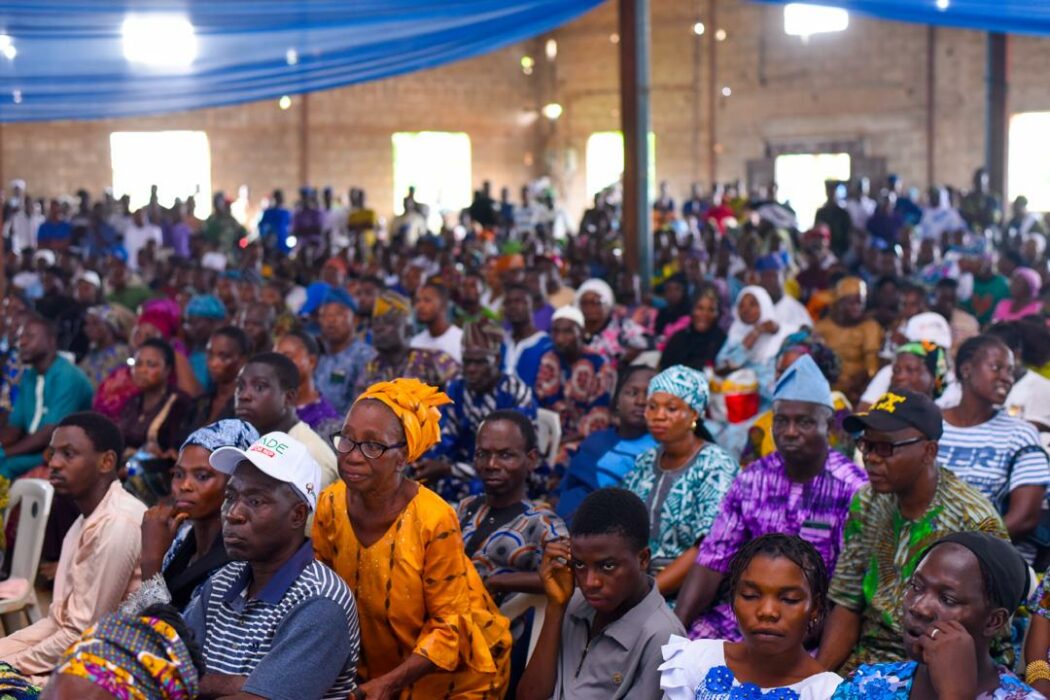
The Plateau State Chief Operating Officer of JED, Engr. Hamisu Wakili Jigawa, made the disclosure on Thursday at the company’s quarterly customer consultative forum in Jos.
He said the forum, held in line with regulatory requirements, provides customers with an opportunity to engage directly with the company, present unresolved complaints and receive prompt resolutions.
According to Jigawa, the initiative reflects JED’s commitment to strengthening customer relations and improving service delivery.
“This consultative forum is a regulatory requirement. It also gives customers who may not have access to our radio programmes or other communication channels the opportunity to present their complaints. Our technical, commercial and customer service teams are available to resolve issues immediately or shortly after the meeting,” he said.
Jigawa described electricity theft as one of the biggest challenges confronting the company, warning that the level of energy losses threatens the sustainability of electricity supply in the state.
“The issue of energy theft has become a serious challenge for us. In Plateau alone, about 45 per cent of our energy is lost to theft. No business can survive with such a high level of losses,” he said.
To combat the problem, he said the company had introduced a whistleblower initiative known as PowerWatch, which encourages members of the public to report electricity theft, meter bypass, vandalism and other illegal activities affecting JED’s operations.
Under the initiative, members of the public whose reports lead to the detection of electricity theft or tampering with company installations will receive rewards.
Jigawa added that the whistleblower policy also covers cases of staff misconduct and urged customers to report unethical behaviour through the company’s telephone lines, email addresses and social media platforms.
He said JED was also collaborating with relevant authorities to strengthen the prosecution of electricity offenders, stressing that effective enforcement is essential to improving electricity supply.
“If we cannot recover payment for the energy supplied, there is no way the electricity market will continue to provide power that is not being paid for. Ultimately, energy allocation to Plateau may reduce, affecting the 20 to 24 hours of electricity supply currently enjoyed in many parts of the state,” he warned.
Despite the challenge, Jigawa said Plateau remains one of JED’s best-performing franchise areas, with about 70 per cent of customers in Jos receiving more than 20 hours of electricity daily.
He added that the company plans to upgrade more feeders to Band A to enable additional communities benefit from improved electricity supply.
Also speaking, JED’s Chief Commercial Officer, Dr. Abubakar Ibrahim, announced that the company would distribute 109,000 free electricity meters to customers across Plateau, Bauchi, Benue and Gombe states under the Distribution Sector Recovery Programme (DISREP).
He explained that the meters would be shared among customers in the company’s four franchise states and not exclusively for Plateau.
According to Ibrahim, JED has already distributed more than 20,000 free meters under an earlier Federal Government-backed metering programme, while customers also have the option of obtaining meters through the Meter Asset Provider (MAP) scheme.
He clarified that unlike the MAP scheme, where customers initially pay for meters and are later reimbursed through energy credits approved by the Nigerian Electricity Regulatory Commission (NERC), meters distributed under DISREP and other government-backed initiatives are completely free.
He warned customers not to pay anyone for meters under the free metering programmes and advised anyone demanding payment to be reported to the nearest JED office or law enforcement agencies.
Ibrahim said Band A customers were being prioritised under the DISREP programme because they receive a minimum of 20 hours of electricity supply daily and pay cost-reflective tariffs.
Addressing complaints about outstanding debts appearing on newly installed prepaid meters, he explained that unpaid bills from the previous post-paid billing system are automatically transferred to the new meters.
He added that JED has introduced flexible repayment arrangements, allowing customers to offset outstanding debts in instalments through electricity vending.
According to him, customers owing less than ₦1 million can repay from as little as ₦2,000 monthly, while those with higher debts are placed on structured repayment plans.
Ibrahim said the consultative forum was organised to provide customers with a platform to lodge complaints, make suggestions and engage directly with the company’s management on ways to improve electricity service delivery.