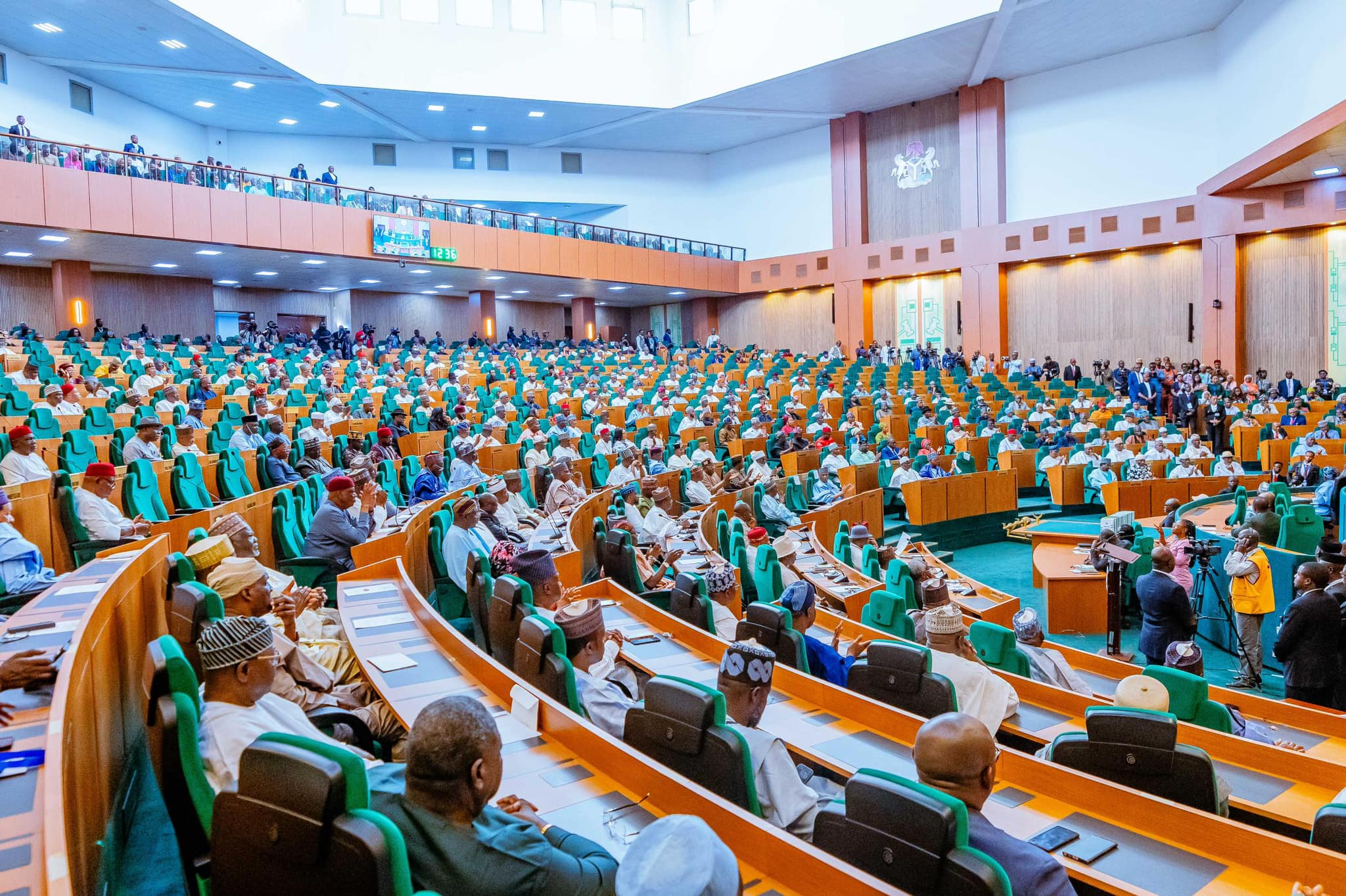
The House of Representatives has taken steps to strengthen the regulation of Nigeria’s nutrition profession by advancing a bill seeking to establish the Nutritionists Registration Council of Nigeria.
The proposed legislation, titled “A Bill for an Act to Provide for the Establishment of the Nutritionists Registration Council of Nigeria and for Related Matters,” scaled second reading during Thursday’s plenary and was subsequently referred to the relevant House committee for further legislative consideration.
Sponsored by Chike Okafor (APC, Imo), the bill seeks to create a statutory regulatory body responsible for overseeing the practice of nutrition in Nigeria through the registration, licensing and regulation of practitioners.
If enacted, the legislation would establish standards for professional practice, ensuring that only qualified and ethically certified nutritionists are permitted to practise. It also aims to improve accountability in the sector, protect public health and maximise the impact of investments in nutrition programmes across the country.
A key provision of the bill is the establishment of a national register for nutritionists and nutrition assistants, which would serve as the official database of licensed professionals authorised to practise in Nigeria.

The proposed council would also be empowered to accredit institutions offering nutrition-related training and approve academic curricula to ensure that graduates possess the knowledge and skills required to meet the country’s nutritional and public health needs.
Leading the debate on the bill, Mr Okafor described the legislation as a critical intervention to address Nigeria’s growing nutrition challenges, warning that malnutrition and food insecurity pose serious threats to national development.
According to him, the absence of a legal framework regulating the profession has created room for unqualified individuals to present themselves as nutrition experts, thereby exposing Nigerians to harmful and misleading practices.
“This Bill is not merely a piece of legislation; it is a necessary legislative response to a ‘ticking time bomb’ of malnutrition and food insecurity that threatens our national development and the wellness of Nigerian citizens,” he said.
He said the bill would protect the public by legally defining who can practise as a nutritionist while providing a clear distinction between nutritionists and dietitians.
The lawmaker explained that the proposed council is not intended to compete with the proposed Dietitians Council but rather to complement it, as both professions perform different but interconnected roles within the healthcare system.
He noted that while dietitians primarily provide clinical nutrition services for patients with diet-related diseases such as diabetes and kidney disorders, nutritionists focus on broader public health interventions, including maternal and child nutrition, food and nutrition policy, nutrition research, academic development and programme implementation.
Mr Okafor further assured lawmakers that the proposed regulatory council would operate as a self-funding professional body, similar to other statutory professional councils in Nigeria, without placing additional financial burden on the government.
He argued that by introducing legal regulation and professional standards, the bill would eliminate the current vacuum that has allowed the proliferation of unqualified practitioners and strengthen public confidence in nutrition services across the country.
READ ALSO: Reps in rowdy session over bid to summon Tinubu to explain poor budget implementation
Following its second reading, the Deputy Speaker of the House, Benjamin Kalu who presided over the plenary referred the bill to the committee on nutrition and food security for detailed scrutiny before returning to the House for further legislative action.
If eventually passed by the National Assembly and signed into law, the legislation is expected to strengthen professional accountability, improve service delivery in the nutrition sector and support government efforts to address malnutrition, food insecurity and other nutrition-related public health challenges.