A group, Save the Children Nigeria, has raised fresh concerns over Nigeria’s worsening humanitarian situation.
It claimed that an estimated 36.2 million people across 26 states and the Federal Capital Territory (FCT) are expected to face acute food and nutrition insecurity between June and August 2026.
The organisation said more than two million people are projected to experience emergency levels of food insecurity during the period, while over 10,000 residents of Borno State could slip into catastrophic conditions if urgent humanitarian interventions were not undertaken.
The country director of Save the Children Nigeria, Duncan Harvey, disclosed this yesterday at the opening of the Humanitarian Xchange (HX) Abuja 2026 conference, jointly organised by Save the Children Nigeria and the Humanitarian Leadership Academy.
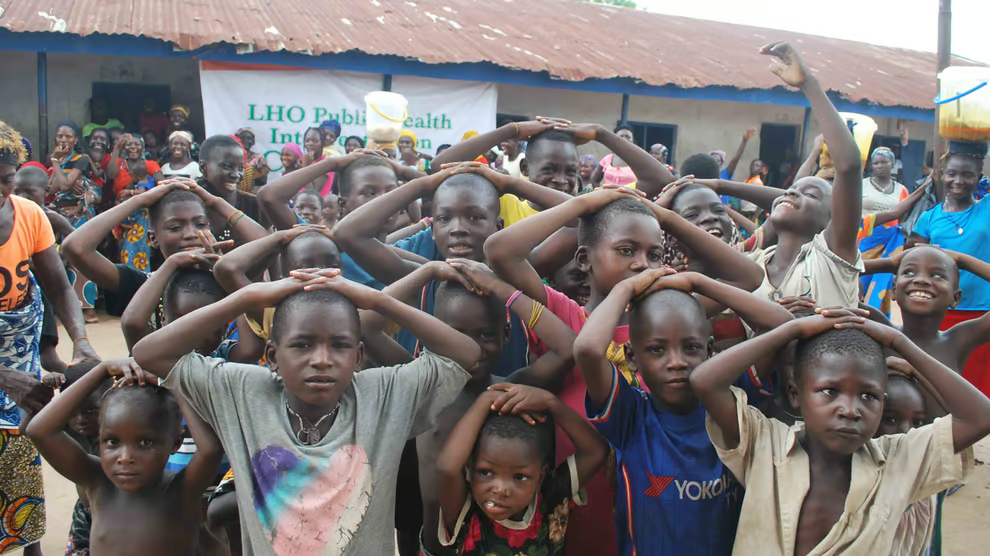
Harvey said the crisis was having a devastating impact on children and mothers, who remain the most vulnerable.
According to him, over 758,000 people in Borno State alone are expected to face emergency food insecurity, with malnutrition remaining critically high in local government areas including Mobbar, Nganzai and Maiduguri.
He attributed the worsening situation to rising food prices, insecurity, displacement, climate-related shocks, poor dietary diversity and limited access to healthcare.
“We meet at a critical time for Nigeria. Millions of people are facing increasing hunger and malnutrition during the 2026 lean season. Children and mothers are at the frontline of this crisis,” Harvey said.
He noted that shrinking global humanitarian funding was compounding existing challenges at a time when conflicts, insecurity and climate-related disasters continue to increase worldwide.
“The humanitarian landscape is becoming increasingly complex. Global funding cuts are placing enormous pressure on the humanitarian sector, forcing difficult choices at a moment when needs continue to rise,” he added.
Harvey stressed that no single organisation could respond effectively to the scale of the humanitarian challenges facing Nigeria and called for stronger collaboration among government agencies, development partners, donors, local responders, academia and the private sector.
He said the Humanitarian Xchange conference was designed to strengthen locally led humanitarian action through partnerships, innovation and knowledge sharing.
The two-day conference, themed “Strengthening Local Voices, Partnerships, and Innovation in Humanitarian Response,” brings together humanitarian leaders, policymakers, youth organisations, development partners and community actors to explore solutions in advocacy, technology, financing and local leadership.
Organisers said the conference aims to deepen collaboration and promote community-driven responses to humanitarian emergencies, while supporting innovation in humanitarian action.
Save the Children noted that it has operated in Nigeria since 2001, implementing humanitarian and development programmes in 24 states and the FCT, while the Humanitarian Leadership Academy continues to support humanitarian workers globally through capacity development and digital learning initiatives.
We’ve got the edge. Get real-time reports, breaking scoops, and exclusive angles delivered straight to your phone. Don’t settle for stale news. Join LEADERSHIP NEWS on WhatsApp for 24/7 updates →