
The controversy surrounding the abandoned Nationwide League One playoff between Yewa FC Academy and FC Ebedei has evolved into one of the biggest governance disputes in Nigerian grassroots football this season.
What began as a serious injury to a goalkeeper during a playoff match in Akure has now raised wider questions about consistency in the application of league regulations, the treatment of match officials, the handling of confidential reports and the interpretation of the NLO’s own disciplinary rules.
Official correspondence, petitions, league statements and interviews obtained by PREMIUM TIMES show a growing disagreement between Yewa FC Academy and the Nationwide League One over what exactly happened on the pitch and how the league should respond.
The playoff match between Yewa FC Academy and FC Ebedei was halted after Yewa goalkeeper Olalere Ridwan suffered a serious injury following a collision late in the first half.
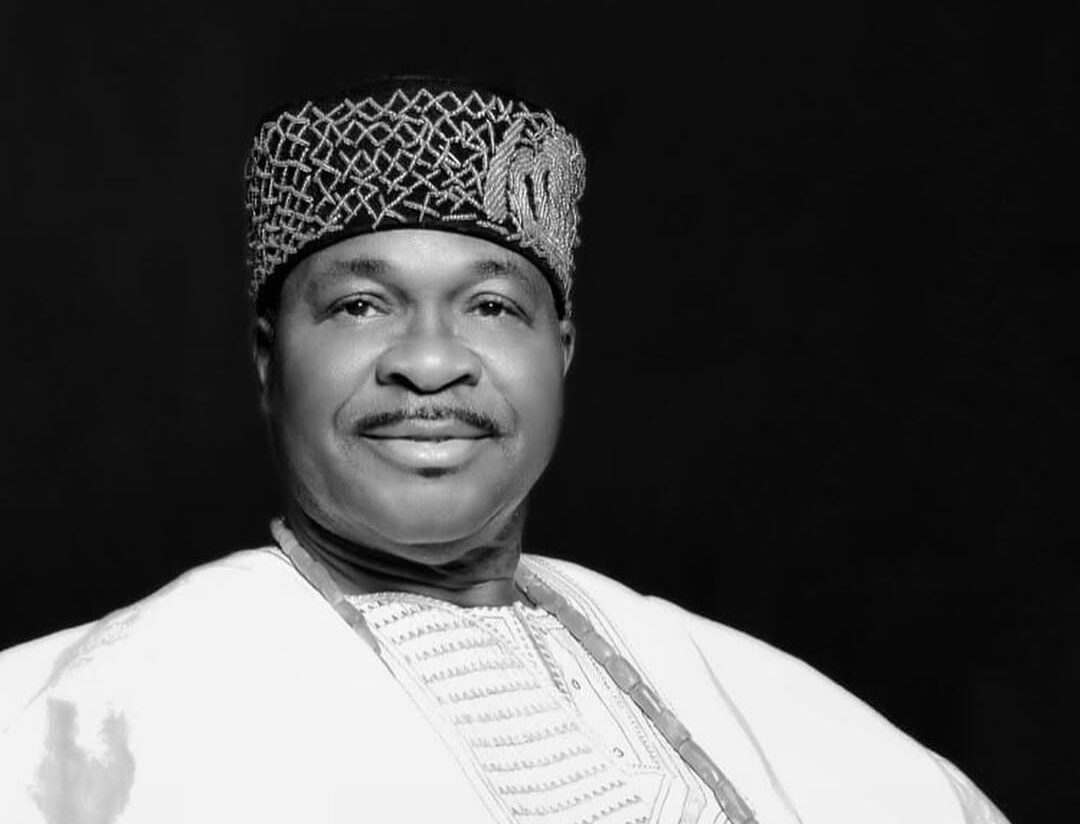
Yewa chairman Mojeed Ibrahim has consistently maintained that the injury itself did not lead to the abandonment of the fixture.

According to the club’s petition to the NLO, FC Ebedei players left the field while medical attention was being administered to the goalkeeper and did so without any directive from the referee or match commissioner. The club stated that the match officials, as well as Yewa players, remained on the field after the opposing team had departed.
“A football match cannot end because one side decides it is over,” Mr Ibrahim told PREMIUM TIMES.
The Yewa chairman argued that the club had already received approval for a replacement goalkeeper and was prepared to continue the fixture.
The dispute centres largely on Rule 4.12 of the NLO regulations, which provides that where a team causes a disruption beyond the stipulated period, the offending side should forfeit the match by three points and three goals. Yewa cited the rule in both its initial petition and subsequent correspondence to the league.
The club also pointed to what it described as a recent precedent involving Jaguar FC and Abakaliki Feeders, arguing that the league had previously applied similar sanctions following a disrupted match.
The club warned that a different interpretation in its own case could undermine confidence in the league’s regulatory framework.
However, the NLO has defended its actions by raising concerns about the integrity of the match reports and the conduct of match officials.
In an official statement, the league announced that centre referee Adanlawo Ayomide and match commissioner Mohammed Lateef had been queried over alleged breaches of confidentiality and the unauthorised disclosure of official match documents.
The league said it became concerned after receiving correspondence from Yewa chairman Mojeed Ibrahim which it believed referenced the contents of the official reports.
According to the NLO, match reports are confidential documents intended solely for the Secretariat to ensure impartial adjudication.
The league said any unauthorised disclosure of such reports constituted a serious breach of its code of conduct and sports ethics.
The NLO subsequently demanded explanations from both officials regarding how confidential documents allegedly reached a club official.
The Secretariat stated that failure to provide satisfactory explanations could result in suspension and referral to both the NFF Referees Committee and the NLO disciplinary structures.
“The league’s credibility depends on the professionalism and discretion of its officials. This breach is being taken very seriously,” the league said.
The controversy deepened further when the NLO suspended the rescheduled continuation of the match.
In another official communication, the Secretariat said its administrative review of the match officials’ reports had uncovered “critical discrepancies and compromises” surrounding the handling and reporting of the fixture.
The league said the reports and other evidence had been forwarded to the NLO Integrity Unit and the NFF Disciplinary Committee for what it described as a comprehensive forensic investigation.
The NLO also ordered the appointment of a fresh set of referees to handle the remaining minutes of the match.
According to the league, the postponement became necessary to enable the Secretariat “cleanse the mess.”
Yewa has strongly rejected allegations that it obtained confidential documents.
In his response to the NLO query, Mr Ibrahim stated that neither he nor the club had accessed or received any official match reports.
He argued that references made in previous correspondence merely reflected conclusions drawn from events that occurred openly on the field.
“That statement was not, and should not be construed as, an admission of access to any confidential documentation,” he wrote.
He further challenged the NLO to provide evidence supporting its allegations.
The dispute became even more complicated after the NLO opened another investigation involving Yewa over the alleged use of an ineligible player.
The club responded by maintaining that the player had been properly registered as an amateur before subsequently travelling abroad for a trial and later returning to participate in the competition.
Yewa also argued that no eligibility protest had been lodged in accordance with the procedures stipulated under the rules.
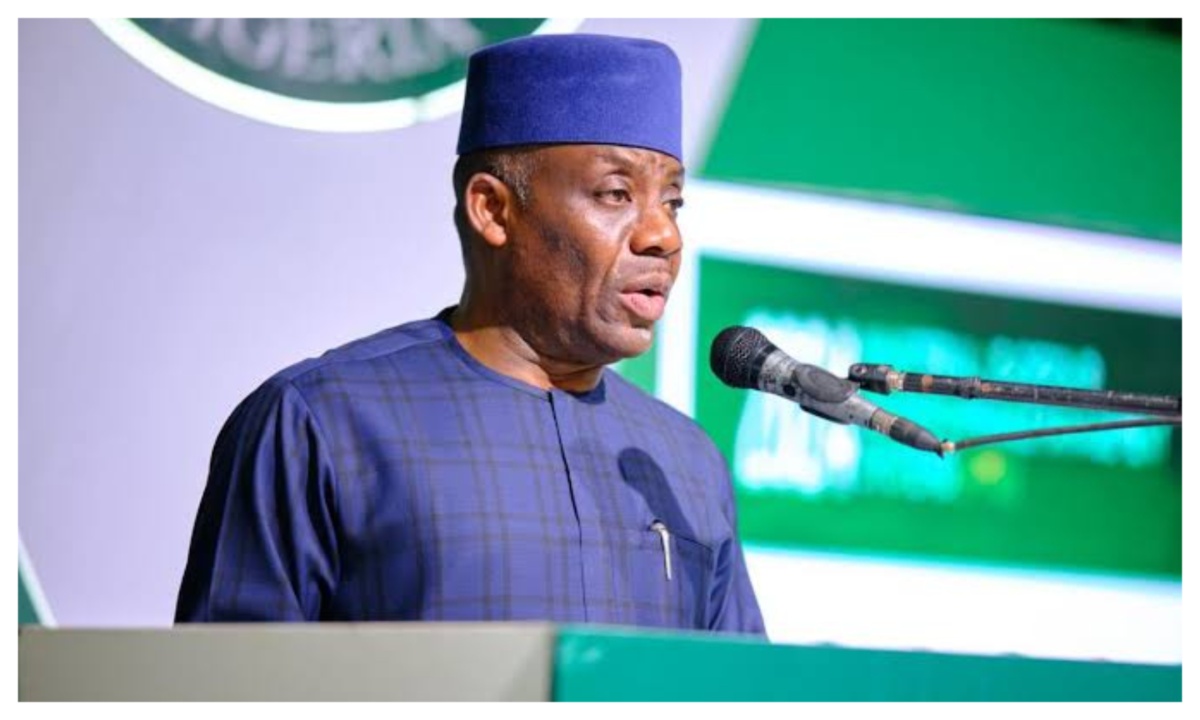
Olushola Ogunnowo, the Chief Operating Officer (COO) has defended the league’s approach to the Yewa-Ebedei matter.
Speaking after the controversy erupted, he said the welfare and emotional state of young players had influenced the league’s position.
“We are dealing with amateur football and very young players,” he said.
READ ALSO: Onyeka completes permanent transfer to Coventry City from Brentford
According to him, the injured player remained unconscious for several minutes, causing emotional reactions among other players.
“These are young players, and such situations affect them psychologically.”
Mr Ogunnowo said the NLO could not simply award points under those circumstances.
“The match was 0-0 at the time. Under those circumstances, we could not simply award points to any team. Our position was that the game should resume from the point it was stopped.”
He also revealed that the host association had been sanctioned for organisational and security lapses.
Defending the broader disciplinary philosophy of the league, the NLO boss said the regulations allow investigations to continue even after matches have been played.
“There are always attempts at manipulation, but once we discover such actions, we enforce the regulations.”
He added that the rules permit investigations for up to two months and allow sanctions to be imposed even on successful clubs.
“Football has rules. You cannot run football based on personal opinions or individual sentiments.”
Those comments now sit at the centre of the controversy.
For Yewa, the issue remains one of simple rule enforcement. The club argues that a team left the field without authorisation and that the regulations provide a clear sanction.
For the NLO, the issue appears broader, involving player welfare, possible compromises in match reporting and concerns about the integrity of the officiating process.
The final decision in the case will therefore determine more than the fate of one playoff match.
It will also test whether the league’s commitment to discipline, transparency and consistency can withstand one of the most contentious disputes of the season.
Nationwide League One
A familiar problem in Nigerian football
The Yewa-Ebedei controversy is not occurring in isolation.
For decades, Nigerian football has struggled with recurring disputes involving match abandonment, crowd violence, questionable officiating, administrative conflicts and inconsistent disciplinary decisions.
From the lower leagues to the top flight, controversies over officiating, eligibility disputes and competition rulings have repeatedly generated disputes among clubs and administrators.
In recent years, the Nigeria Premier Football League, the Nigeria National League and the Nationwide League One have all witnessed cases involving abandoned matches, security breaches, fan disturbances, player eligibility protests and disciplinary appeals.
The NLO itself has frequently emphasized discipline as a cornerstone of its operations.
Mr Ogunnowo recently disclosed that the league was considering sanctions against more than 30 clubs over regulatory violations and unauthorised participation in private competitions.
“There are always attempts at manipulation, but once we discover such actions, we enforce the regulations,” he said.
The NLO boss also stated that the rules permit investigations even after competitions have ended and that sanctions can be imposed on any club, including champions.
Yet football administrators and industry stakeholders argue that one of the biggest challenges facing Nigerian football remains consistency in applying regulations.
Where similar cases produce different outcomes, confidence in the system can suffer.
Private investors, sponsors and football academies increasingly seek predictability, transparent governance and clear dispute-resolution mechanisms before committing resources.
Several privately funded clubs operating in the lower divisions have repeatedly raised concerns about officiating standards, disciplinary procedures and administrative uncertainty.
Foreign investors and international football partners often place significant importance on governance structures, regulatory certainty and institutional credibility.
“When disputes drag on, when disciplinary decisions become contested or when competition rules appear open to varying interpretations, confidence in the football ecosystem can weaken” Segun Oluwatuyi, a football analyst noted.
The irony, according to several stakeholders, is that Nigerian football possesses enormous commercial potential, abundant talent and one of Africa’s largest football audiences.
However, governance controversies continue to overshadow the product itself.
For many observers, the Akure controversy is therefore bigger than Yewa Football Academy or FC Ebedei.
It has become another test of whether Nigerian football institutions can consistently enforce their own regulations while maintaining public confidence in the integrity of their competitions.