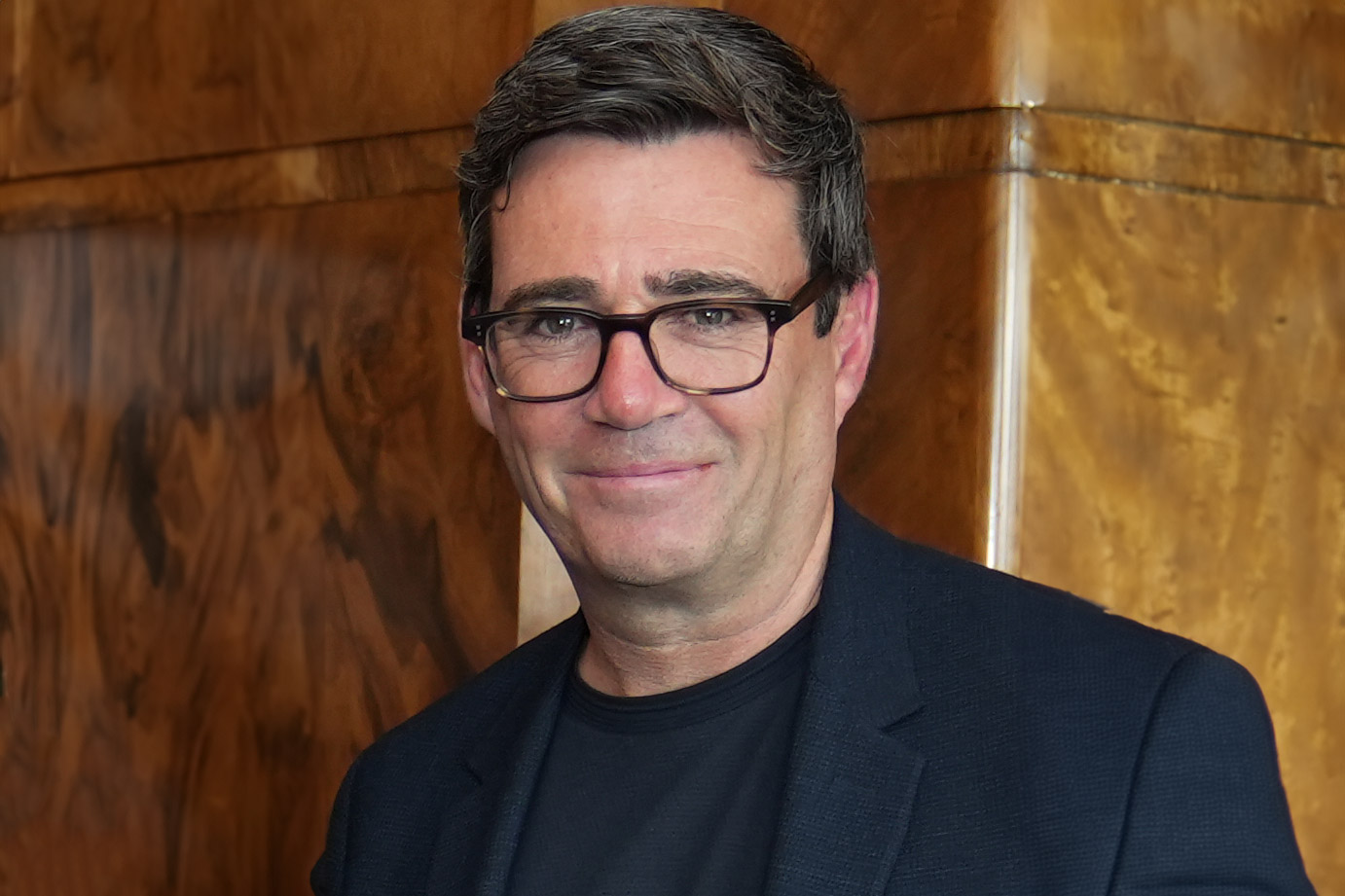
Andy Burnham has been confirmed as the new leader of the United Kingdom’s ruling Labour Party, positioning him to succeed Keir Starmer as the country’s next prime minister.
His emergence marks another leadership transition in British politics, making him the UK’s seventh prime minister since the 2016 Brexit referendum.
With Labour commanding a comfortable majority in Parliament, Burnham will assume the office of prime minister without the need for a general election, as the party leader automatically occupies the country’s highest political office.
Burnham secured the leadership unopposed, with no rival contesting the position. It marks his third attempt at leading the Labour Party, following unsuccessful bids in 2010 and 2015.
Addressing party members after his confirmation on Friday, Burnham said he was prepared to build on the progress made under Starmer’s leadership.
He credited his predecessor with reducing waiting times in the National Health Service, NHS, returning parts of the rail network to public ownership and restoring Britain’s influence on the global stage.
“I am ready to lead and build,” Burnham told supporters, pledging to restore optimism across the country and revive communities he said had been neglected for decades.
The former Greater Manchester mayor argued that Britain had taken “a series of wrong turns” during the 1980s, blaming the centralisation of political authority and widespread privatisation for widening regional inequalities.
His remarks referenced the economic reforms introduced under former Conservative Prime Minister Margaret Thatcher, whose free-market policies helped expand London’s financial sector while contributing to the decline of manufacturing industries in northern England.
On the economy, Burnham advocated stronger public oversight of essential services, arguing that greater government control was necessary to curb inflation and strengthen economic stability.
“If we don’t have sufficient public control over the cost of the essentials, how can we have control over inflation, public spending and the rest of the economy?” he said.
Despite supporting increased public involvement in key sectors, Burnham stressed that his administration would remain business-friendly.
“I will be a pro-business leader of the Labour Party, as I was a pro-business mayor of Greater Manchester,” he said.
Highlighting his record in Manchester, Burnham pointed to the city’s economic growth and the introduction of the integrated Bee Network public transport system as examples of collaborative governance that he intends to replicate nationwide.
He also appealed for unity within the Labour Party, warning that internal divisions would only strengthen political opponents.
“We won’t beat the right if we are infighting,” he said, adding that he had no intention of suspending or punishing party members for holding differing views.
Burnham said he had yet to decide on the composition of his cabinet.
His rise to the party leadership follows weeks of speculation after he returned to Parliament through a by-election held four weeks ago.
Starmer stepped down as Labour leader in June following sustained pressure over declining public approval ratings and controversy surrounding his appointment of Peter Mandelson as the United Kingdom’s ambassador to the United States. The appointment attracted criticism because of Mandelson’s past association with the late financier and convicted sex offender Jeffrey Epstein.