… Holds closed-door meeting
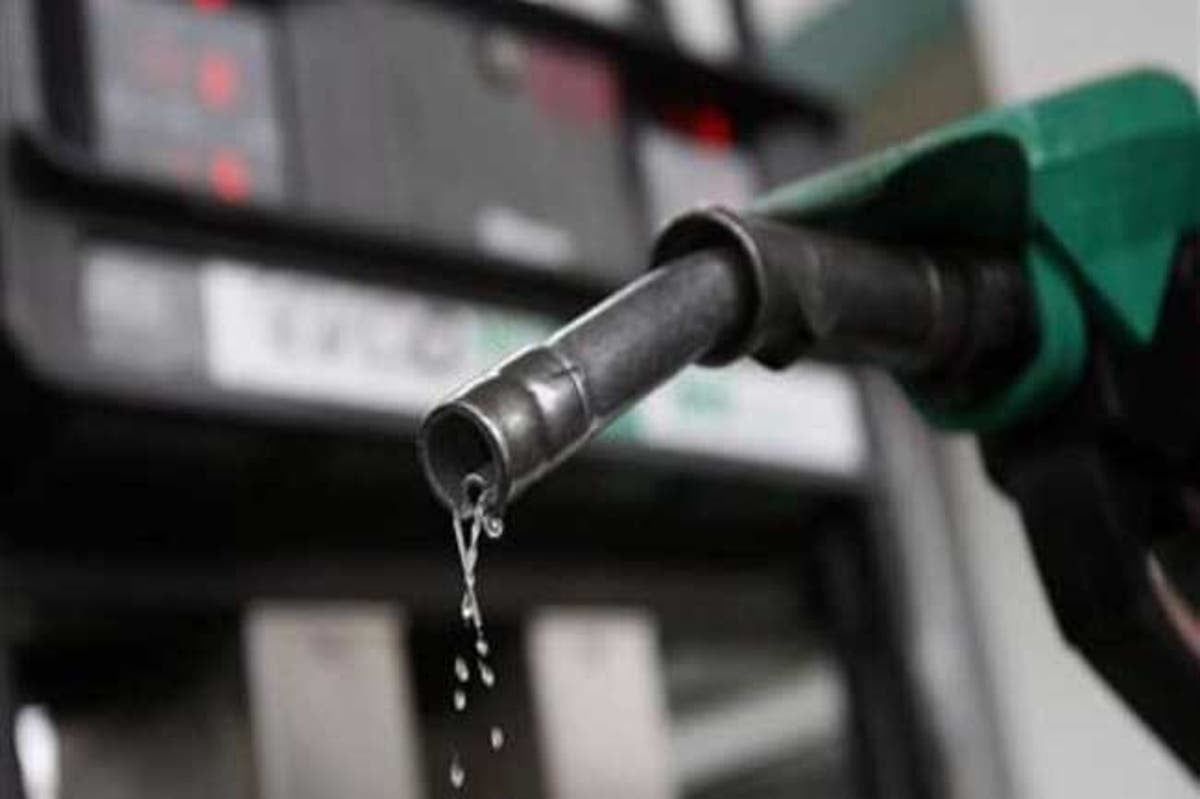
The federal government has told downstream marketers to cut pump prices of petrol and other petroleum products to reflect falling crude cost in the international market.
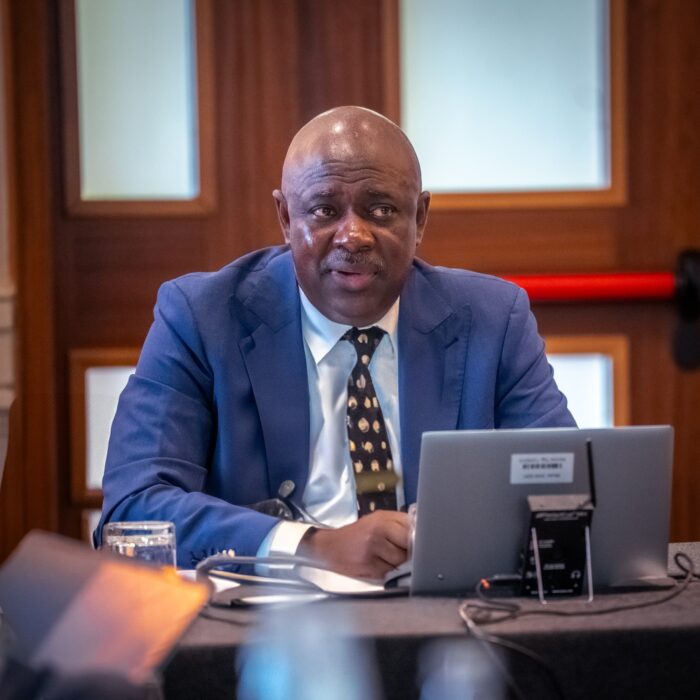
Minister of state for Petroleum Resources (Oil), Heineken Lokpobiri, made this call on Monday, during a stakeholders’ meeting with the marketers and other downstream petroleum sector operators.
Lokpobiri, demanded that the sharp drop in Brent crude — from about $118 a barrel earlier this year to below $70 — must be reflected at the pumps.
“The price of fuel should reflect what is going on now,” he said, urging marketers to pass the cost reductions to consumers.
The meeting, convened at the directive of the ministry by the sector regulator, has in attendance officials from the FCCPC, Dangote Refinery, MEMAN, DAPPMAN, IPMAN, NARTO, PETROAN among others.
Lokpobiri asked why retail pump prices for premium motor spirit (PMS) and other petroleum products have not fallen in line with lower international replacement costs.
Lokpobiri said deregulation did not mean allowing “excessive profits,” and that government preferred frank talks over heavy-handed enforcement, adding that they must build consensus on how to lower pump prices without killing business viability.
“We would rather sit down with you and agree a practical framework than try to impose measures we cannot effectively enforce,” he said.
After opening remarks, he said participants would move into a closed-door session to discuss operational bottlenecks and pricing mechanics. He said the focus would be on inventory management, logistics, market surveillance and curbing “unnecessary profit taking” that could prevent timely pass-through of lower replacement costs.
On his part, the chief executive of the National Midstream and Downstream Petroleum Regulatory Authority (NMDPRA), Rabiu A. Umar, urged the industry to collaborate on steps that would translate recent global crude price declines into lower pump prices, saying the aim was a fair, transparent market that protects consumers without gutting business viability.
Umar told stakeholders that the meeting needs to address “cost‑reflective and fair pricing” of Premium Motor Spirit (PMS).
Umar said the session built on a similar forum held two weeks earlier on the domestic gas sector, which he said had already delivered “actionable wins” including a noticeable fall in retail LPG prices.
He said that success showed the value of regulators and industry sitting together to “engineer solutions” rather than merely debate problems.
He told attendees that global crude had been volatile over the past six months, with prices spiking because of geopolitical tensions before easing recently. “However, our domestic retail market has not yet harmoniously adjusted to these downward shifts,” Umar said, adding that it was the authority’s duty to probe market forces, identify operational bottlenecks and address the gap between falling replacement costs and sustained retail prices.
Umar said the government’s deregulation policy under President Bola Ahmed Tinubu aimed to create a competitive, investment‑driven market, but warned that “deregulation is not a license for market distortion or unfair consumer pricing.”
He said the objective of the talks was collaborative rather than prescriptive, aimed at balancing sustainable profitability for marketers with consumer welfare.
He urged stakeholders to focus on specific areas during the closed‑door deliberations, including market surveillance, inventory management and logistics, and to move quickly on frameworks such as the National Strategic Stock (NSS) to bolster energy security.
“We want to hear your challenges, discuss market surveillance, look into inventory management, and align on how we can collectively accelerate key mechanisms like the NSS,” he said.
The NMDPRA said the meeting brought together regulators, industry associations and the Federal Competition and Consumer Protection Commission, among others, to find common ground on measures that would protect the national interest while keeping supply reliable and businesses viable.
We’ve got the edge. Get real-time reports, breaking scoops, and exclusive angles delivered straight to your phone. Don’t settle for stale news. Join LEADERSHIP NEWS on WhatsApp for 24/7 updates →