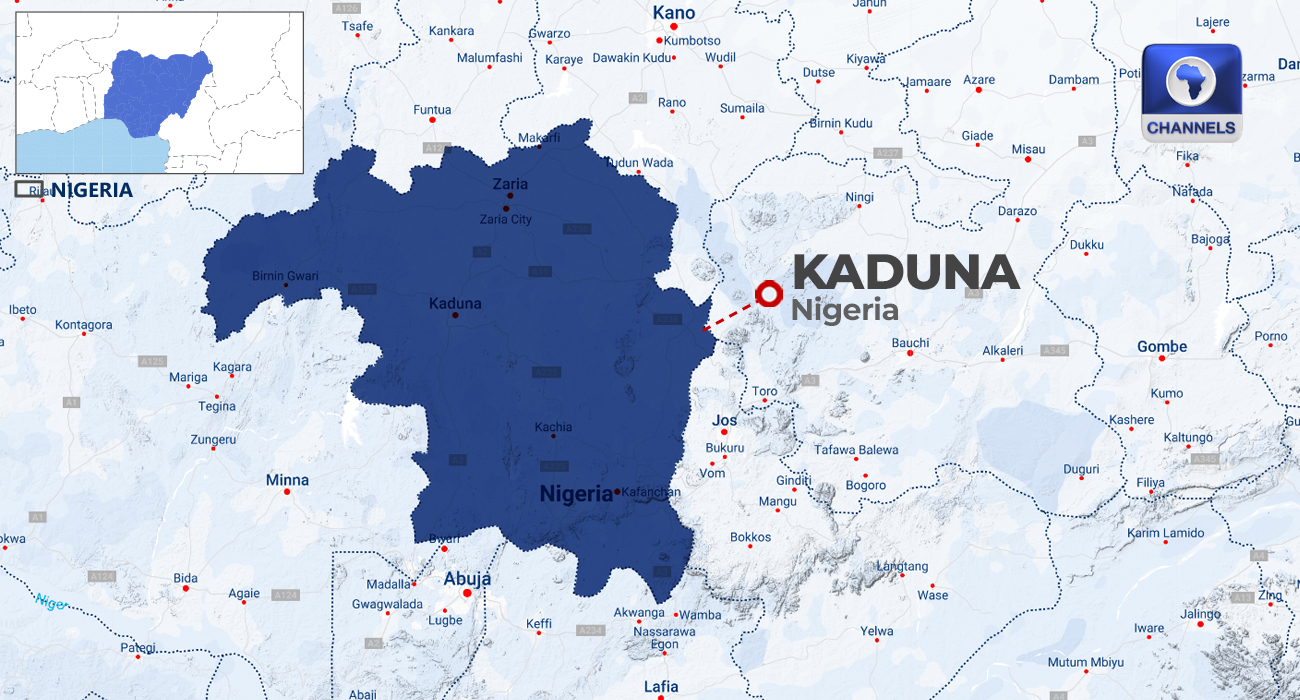
The Federal Government and the Kaduna State Government have unveiled a comprehensive roadmap aimed at reviving Nigeria’s textile and garment industry, with Kaduna State designated as a major hub for the initiative.
The programme is expected to stimulate job creation, boost exports and reduce the country’s reliance on imported textiles.
The roadmap was unveiled during a stakeholder engagement on the National Cotton, Textile and Garment Industrial Transformation Programme organised by the Federal Ministry of Industry, Trade and Investment in Kaduna.
Speaking at the event, the Special Adviser on Cotton, Textile and Garments to the Minister of State for Industry, Mrs Eme Bassey, said strategic locations, including Kaduna’s Kakuri textile hub, had been selected for revitalisation due to their significance to the industry.
According to her, the initiative will involve the rehabilitation of moribund textile facilities, the introduction of investment-friendly policies, strengthened local cotton production and improved access to affordable financing, particularly for small and medium-sized enterprises.
READ ALSO: Expose Bandit Informants, Collaborators, Radda Tells Katsina Residents
Bassey disclosed that the government is collaborating with the Bank of Industry and the Bank of Agriculture to provide financial support for investors. She added that partnerships are also being developed with research institutions and development partners to strengthen the cotton value chain.
She explained that the transformation programme would be implemented in phases, noting that the initial phase had already been completed. Subsequent phases, she said, would focus on policy reforms, infrastructure development, increased production capacity and expanded access to financing.
The Special Adviser identified high electricity costs as a major challenge confronting textile manufacturers and said the government is exploring the use of natural gas as a more affordable and reliable energy source for the industry.
Kaduna State Commissioner for Agriculture, Murtala Dabo, welcomed the initiative, saying it would restore demand for cotton and improve the livelihoods of farmers across northern Nigeria.
He expressed optimism that the Ajaokuta–Kaduna–Kano (AKK) natural gas pipeline would help lower production costs by providing textile companies with access to cheaper energy.
Also speaking, the Permanent Secretary of the Kaduna State Ministry of Business, Innovation and Technology, Waheed Musa, said Kaduna remains the traditional centre of textile manufacturing in northern Nigeria despite the closure of many factories over the years.
He urged private investors to take advantage of the state’s business-friendly environment, noting that the revival of the textile value chain would create thousands of jobs and make a significant contribution to Nigeria’s economic growth.
Stakeholders at the meeting agreed that sustained government support, improved infrastructure, affordable energy and increased investment would be critical to restoring the textile industry as a major contributor to employment, industrial development and export earnings.