A Katsina-based women’s activist and microcredit expert, Hajia Zainab Muhammad Sada, has defended First Lady Oluremi Tinubu over her recent call for Nigerian women to embrace low-capital businesses such as akara frying, corn roasting and kuli-kuli production, describing the criticism trailing the remarks as misplaced.
In a statement issued to Journalists, Sada urged Nigerians to engage with the substance of the First Lady’s proposal rather than ridicule it, arguing that the initiative offers practical, grant-backed opportunities for women with little or no startup capital.
According to her, the empowerment initiative is designed to provide outright grants, not loans, to enable women to establish small businesses capable of generating sustainable income.
“The focus should be on the economic opportunities being created, not on attempts to mock legitimate means of livelihood,” she said.
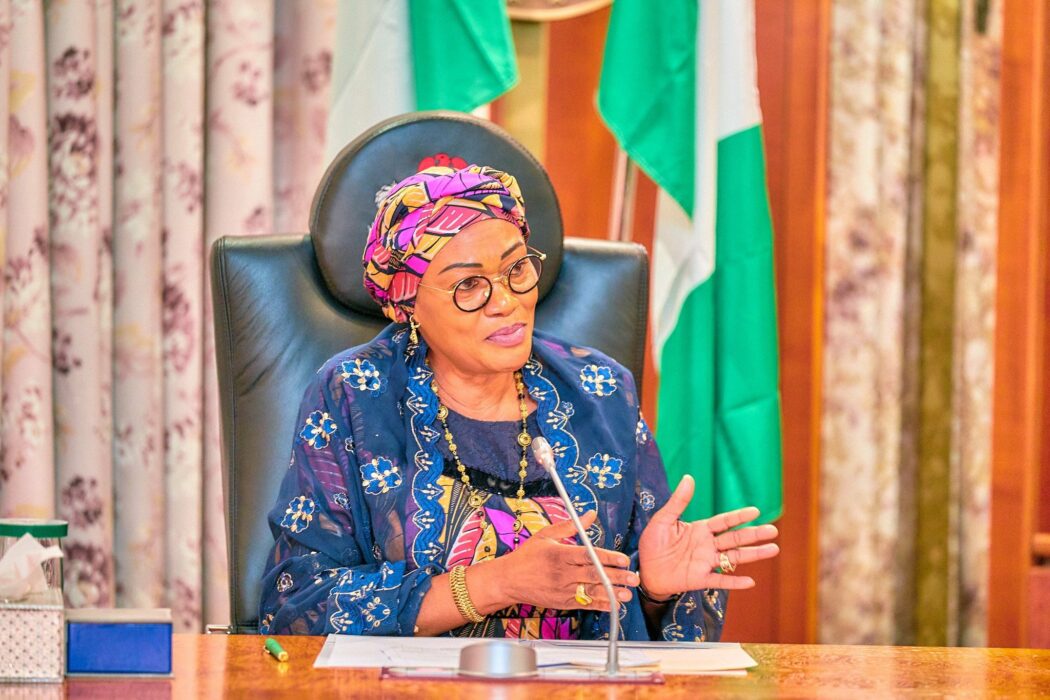
The First Lady had made the remarks after the second quarterly meeting of state first ladies at the Presidential Villa, Abuja, where she encouraged Nigerian women not to remain idle amid prevailing economic challenges but to explore small-scale enterprises that require minimal capital.
“We’re trying to give hope, and starting an akara business doesn’t take a lot of money. It offers economic empowerment, given outright grants, not loans, to start such ventures,” Mrs Tinubu had said.
Her comments, however, sparked widespread reactions on social media, with many critics describing the advice as disconnected from the economic realities confronting millions of Nigerians.
The backlash intensified after the Tinubu Media Centre shared an AI-generated image of the First Lady frying akara, a post many interpreted as tone-deaf despite its apparent intention as a light-hearted response.
President Bola Tinubu later embraced the controversy during the Presidential Press Corps Dinner at the State House, Abuja, introducing his wife to guests as “Iya Alakara.”
Responding to the criticism at the same event, the First Lady clarified that the empowerment programme extends beyond akara trading.
“It’s not only akara. We also have tomato sellers, bole sellers, pepper sellers and vegetable traders in the market,” she said, explaining that the programme is aimed at sustaining the livelihoods of petty traders through continued financial support.
Backing the initiative, Sada maintained that businesses such as akara vending, corn roasting and kuli-kuli production remain integral to Nigeria’s informal economy, providing employment and serving as reliable sources of daily income for thousands of households.
She argued that encouraging low-capital, locally sourced enterprises represents a practical response to unemployment, especially for those without access to formal credit or white-collar jobs.
According to the activist, the proposal should be viewed as part of a broader economic philosophy that promotes entrepreneurship and self-reliance rather than dismissed because of prevailing public frustration over economic hardship.
She added that while citizens are entitled to express concerns about the economy, such frustrations should not overshadow initiatives to expand opportunities for grassroots entrepreneurs.
We’ve got the edge. Get real-time reports, breaking scoops, and exclusive angles delivered straight to your phone. Don’t settle for stale news. Join LEADERSHIP NEWS on WhatsApp for 24/7 updates →