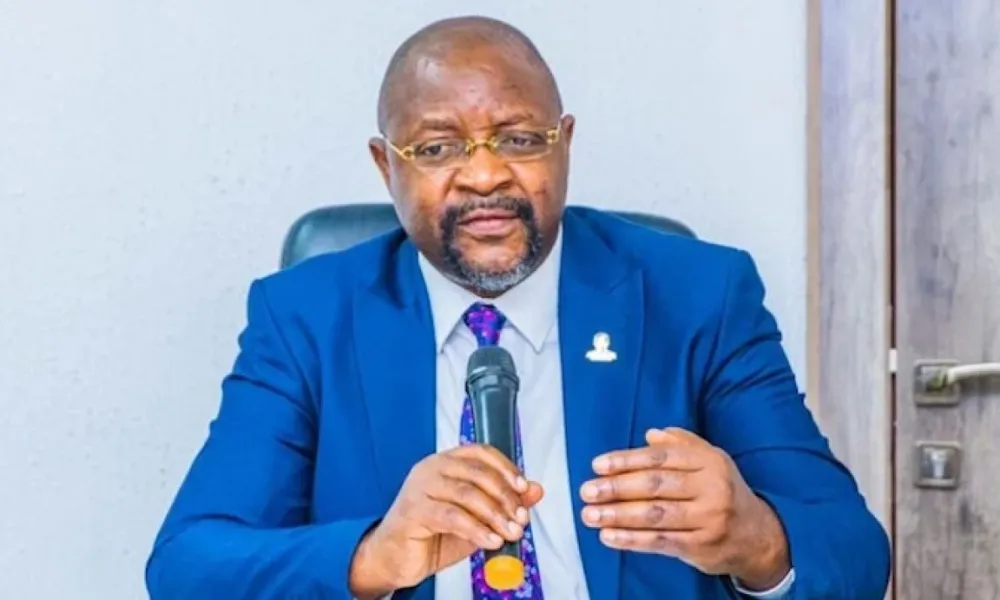
The Sanity Multi-Efforts Forum (SMEF), a civil society organisation, has expressed concern over the growing wave of kidnapping in Nigeria.
It lamented that the crime had become so commonplace that many Nigerians now treat it as a normal part of daily life.
In a statement signed by its president, Prince Dan Olaitan Dada, the organisation described the situation as alarming, saying the country’s gradual acceptance of kidnapping as an unavoidable reality poses a serious threat to national security and human dignity.
According to the group, the history of kidnapping in Nigeria shows a disturbing trend that has persisted for nearly two decades.
It recalled the abduction of Mrs. Eweje, sister to former President Olusegun Obasanjo, on April 12, 2007, when kidnappers reportedly demanded a ransom of N65 million.
SMEF noted that if the family of a sitting President could become victims, it underscored the vulnerability of ordinary Nigerians.
The organisation also highlighted other high-profile abductions, including the kidnapping of 276 Chibok schoolgirls in 2014, the abduction of 110 Dapchi school girls in 2018, pointing out that Leah Sharibu remains in captivity and the 2021 Greenfield University attack in which five students were killed before others regained their freedom.
Quoting the Yoruba proverb, “Ojo ti npa’gun bo, ojo ti pe,” meaning, “When the rain beats the gun, the day is long,” the group said the country’s prolonged insecurity demands decisive action.
SMEF said the administration of President Bola Ahmed Tinubu has another opportunity to reverse the trend but stressed that government efforts alone would not be sufficient.
The forum advocated greater accountability in security governance, improved welfare and rehabilitation for victims of kidnapping, stronger civic intelligence through trusted anonymous reporting channels, and swift prosecution of offenders while improving the welfare of security personnel.
The organisation also pledged its readiness to collaborate with the Office of the National Security Adviser, the Ministry of Interior, the Nigeria Police Force, the Department of State Services (DSS), and the Nigeria Security and Civil Defence Corps (NSCDC) through policy advocacy, civic education, legal awareness, welfare interventions, and programmes aimed at protecting human dignity.
SMEF maintained that although the names of victims may change, the pain caused by insecurity remains the same, urging both government and citizens to work together within the framework of the law to restore safety and security across the country.
We’ve got the edge. Get real-time reports, breaking scoops, and exclusive angles delivered straight to your phone. Don’t settle for stale news. Join LEADERSHIP NEWS on WhatsApp for 24/7 updates →