
Lagos State has become the first sub-national government in Nigeria to establish a comprehensive Greenhouse Gas Registry, a move aimed at strengthening climate governance, improving emissions accountability and accelerating the state’s transition to a low-carbon economy.
The Lagos State Greenhouse Gas Registry (LGHGR) was unveiled at the Central Business District, Alausa, Ikeja, at a ceremony attended by the Commissioner for Health, Prof. Akin Abayomi, members of the State Executive Council, representatives of the Federal Ministry of Environment, development partners, TPHG Technologies, the diplomatic and business communities, academics, civil society organisations and the media.
Describing the initiative as a landmark achievement in the state’s environmental sustainability drive, the General Manager of the Lagos State Environmental Protection Agency (LASEPA), Dr. Babatunde Ajayi, said the Registry marks a defining moment in Lagos’ climate action journey and reflects Governor Babajide Sanwo-Olu’s commitment to building a resilient, climate-smart and environmentally sustainable economy.
According to Ajayi, the digital platform will enable the state to accurately measure, monitor, report and verify greenhouse gas emissions across key sectors, providing credible data to guide environmental policies and climate interventions.
He said the Registry would strengthen evidence-based decision-making, improve transparency and accountability, support national and international climate reporting obligations, unlock carbon market opportunities and boost investor confidence in Lagos’ environmental initiatives.
Ajayi also commended TPHG Technologies for providing the technical expertise that made the pioneering project possible.
Delivering the keynote address, Prof. Abayomi described the Registry as a major milestone that positions Lagos at the forefront of climate governance and emissions accountability in both Nigeria and Africa.
He noted that climate change has evolved into a significant public health and governance challenge, stressing that access to reliable emissions data would enable the state to formulate evidence-based policies, attract climate financing, strengthen resilience and accelerate its transition to a low-carbon economy.
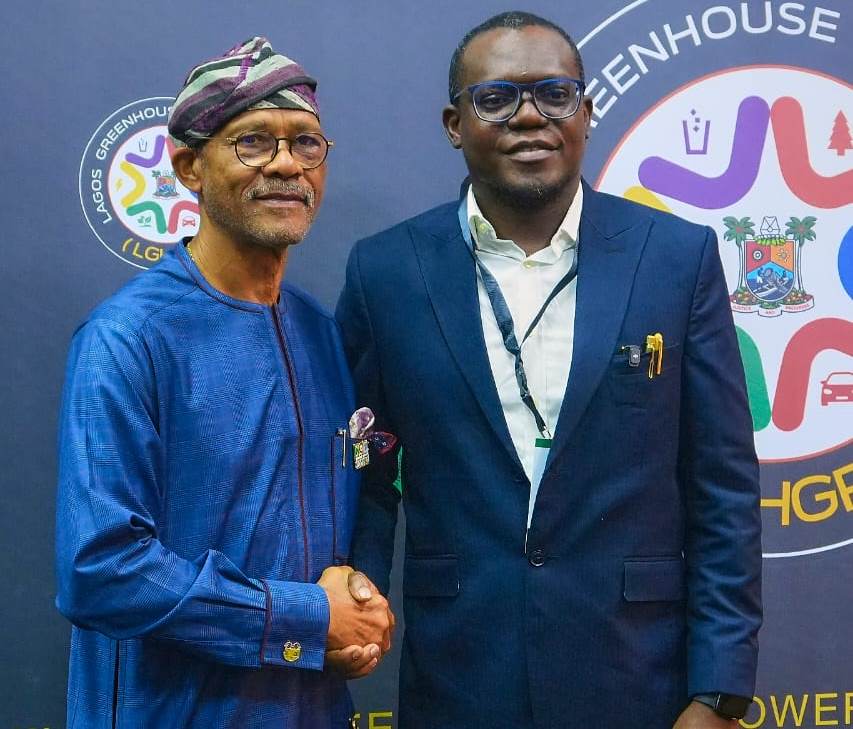
Providing insights into the technical framework of the project, the Lead Consultant and Chief Executive Officer of TPHG Technologies, Dr. Mofoluso Fagbeja, explained that the Registry was developed from the greenhouse gas inventory jointly undertaken by LASEPA and TPHG Technologies in 2022, using 2019 as the baseline year for emissions assessment.
He said the platform is designed to close critical emissions data gaps, particularly within the industrial sector, while supporting effective climate policy implementation, emissions management and sustainable development.
Fagbeja also disclosed that the greenhouse gas inventory estimated that poor air quality contributes to about 35,000 premature deaths annually in Lagos, underscoring the urgent need for stronger emissions control measures and cleaner environmental practices.
In a goodwill message, the Minister of Environment, Balarabe Abbas Lawal, represented by the Federal Controller of Environment in Lagos, Mrs. Adenaike Olunimpe Oludunni, commended Lagos State for pioneering the initiative, describing it as a significant contribution to Nigeria’s climate commitments.
He said the Registry aligns with the country’s Nationally Determined Contributions (NDCs) under the Paris Agreement and supports the Federal Government’s Energy Transition Plan, while reaffirming the ministry’s commitment to deeper collaboration with Lagos State on climate governance and environmental sustainability.
Also speaking, the Managing Director of Swanlux Global Investment Limited, represented by Mrs. Victoria Awe, said the company’s support for the Registry reflects its commitment to responsible corporate citizenship and environmental sustainability.
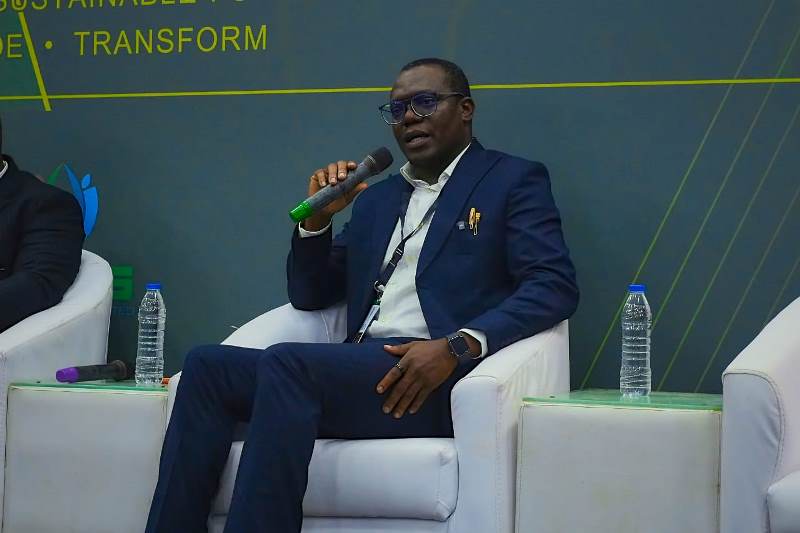
She noted that innovation, technology and credible environmental data remain critical tools for tackling climate change, strengthening accountability and promoting sustainable economic growth.
The Lagos State Greenhouse Gas Registry is expected to provide a robust digital platform for measuring, reporting and verifying greenhouse gas emissions, while supporting climate policy implementation, improving air quality management, attracting green investments and reinforcing Lagos’ position as Nigeria’s leading sub-national government on climate action.