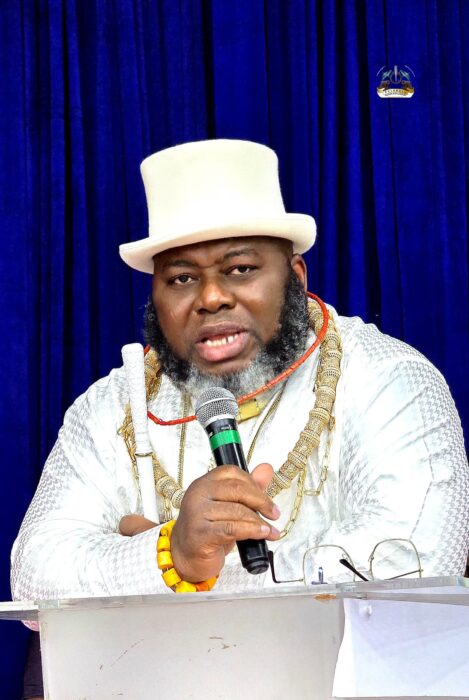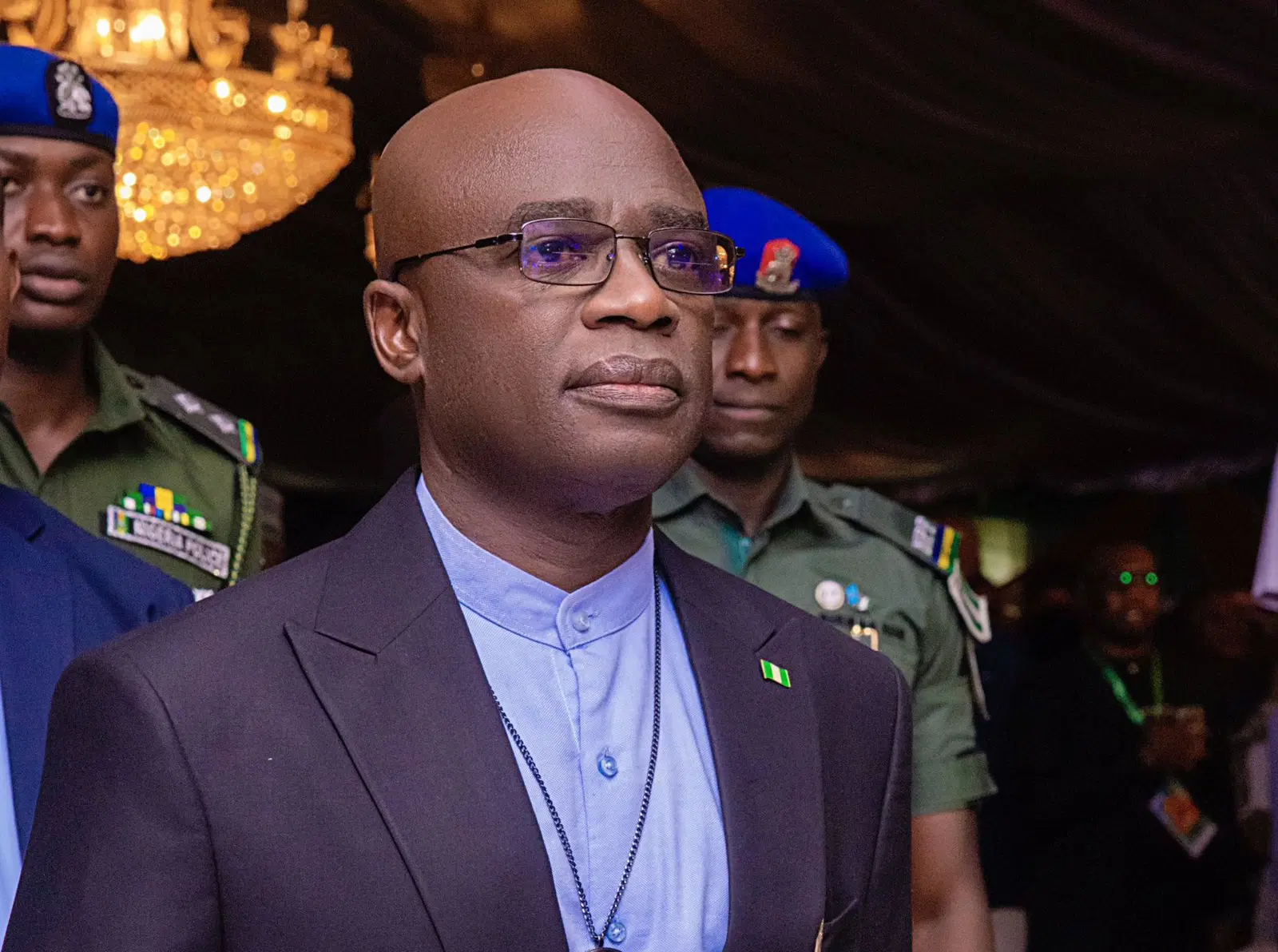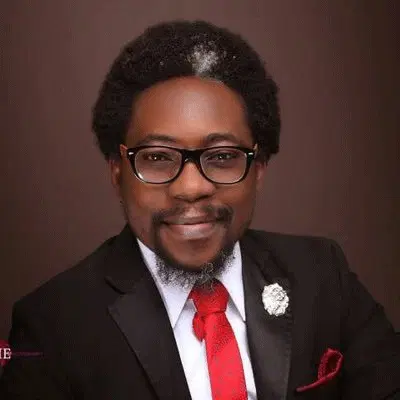
Mr. Segun ‘Segalink’ Awosanya
By Enitan Abdultawab
Social commentator and advocate Segun Awosanya, popularly known as Segalink, has dismissed concerns that the creation of state police would hand governors unprecedented powers, arguing that state chief executives already exercise significant influence over policing in their states.
Responding to fears that governors could abuse a state police system, Segalink, while appearing on Vanguard News’ Politics Hub, said the belief that states have little or no control over the police is misleading.
“The notion that states do not control the police is a myth,” he said.
According to him, governors already play a key role in policing through their influence over the appointment and deployment of Commissioners of Police, as well as their membership of the Police Council.
“There is no governor who does not approve the Commissioner of Police in their state. They only shy away from responsibility by saying the federal government controls the police,” he stated.
Segalink claimed that he has witnessed instances where governors successfully requested the redeployment of Commissioners of Police, insisting that such cases demonstrate the level of influence they already wield over security operations.
“I have had cases of governors who requested a change of a Commissioner of Police,” he said.
While acknowledging that power can be abused, he argued that this is not unique to state governments.
“Power reveals people. The Presidency cannot vouch for any governor,” he remarked.
The activist maintained that establishing state police would simply formalise a system of security administration already mirrored at the federal level, giving states clearer constitutional authority over security within their jurisdictions.
“We are giving arms to governors. We are just trying to replicate the federal system in the states,” he said.
According to Segalink, a state policing structure would enable state governments to recruit competent, well-trained and properly remunerated officers who understand the unique security challenges of their communities.
“This means that state governments can now enrol competent, well-paid, model police officers in their states. It also means they will be able to manage the activities of the system,” he explained.
He further argued that the reform should extend beyond policing to include greater coordination of the judiciary and correctional system at the state level.
“As much as they can enforce a state policing system, they should also be able to enforce the judicial system—from the law courts to the lawyers and even the prisons and custodial centres—so that crime data are properly documented because there must be harmonisation of state policing,” he said.
Segalink also insisted that, in practice, Commissioners of Police already take directives from governors in most cases.
“Governors do have powers over the police in their states. Commissioners listen to orders from their states; it is only in rare cases that an exception happens,” he added.
He concluded that advocates of state policing are not seeking to create entirely new powers for governors but to establish a more accountable and efficient security framework, where states have clear responsibility for policing and can respond more effectively to local security challenges.