More than 160,000 foreign nationals have left South Africa in the past two months amid a surge in anti-migrant protests and violence targeting undocumented immigrants, according to figures compiled from governments coordinating the return of their citizens.
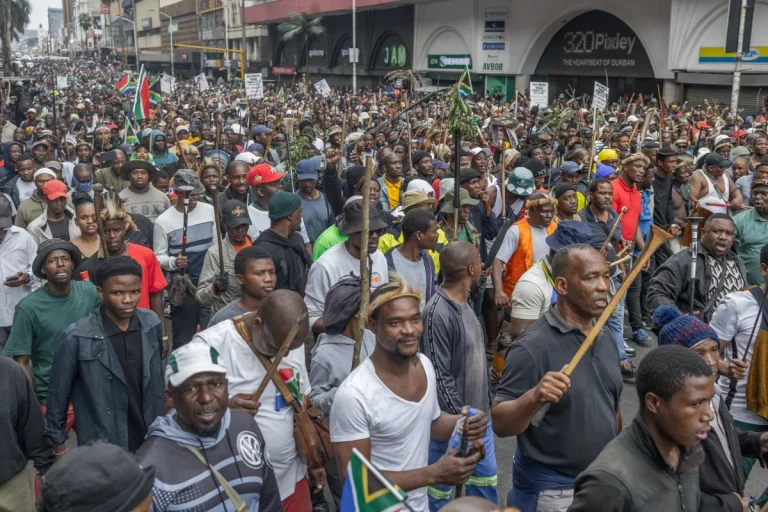
The exodus follows weeks of demonstrations across several parts of the country, with some protests turning deadly as anti-immigration groups intensified calls for undocumented migrants to leave South Africa by June 30.
Citizens from several African countries reportedly rushed to embassies, consulates and community centres seeking assistance to return home, many fleeing with only their essential belongings over fears for their safety.
Zimbabwe recorded the highest number of returnees, followed by Malawi, while nationals of Nigeria, Ghana, Kenya, Mozambique, Uganda and Lesotho were also among those evacuated or self-repatriated.
Zimbabwe’s cabinet announced on Tuesday that 108,366 of its citizens had returned home as of July 18, with the majority making their own travel arrangements.
Malawi also reported that more than 46,890 of its nationals had returned since early June. The government said it deployed 699 buses to transport returnees from South Africa, although six people reportedly died during the journey.
South African authorities also confirmed that nearly 2,000 Mozambican nationals had crossed back into their country.
The movement of Mozambican citizens gathered pace after two of their nationals were killed in late May during violence that erupted after protests in the southern town of Mossel Bay.
The incident marked the first confirmed deaths linked to the latest wave of anti-migrant unrest.
Authorities later acknowledged the deaths of an Ethiopian and a Malawian, attributing the incidents to growing “anti-foreigner sentiment”.
Nigeria has also reported the deaths of two of its citizens, d Defence minister dismisses resignation rumours, threatens legal action after meeting Tinubuescribing the incidents as occurring during “the ongoing xenophobic protests and attacks of migrants”.
Similarly, the Ghanaian government said one of its nationals died in a Cape Town township during “anti-immigrant demonstrations linked to ongoing xenophobic attacks”.
South African authorities, however, have rejected the allegations made by both Nigeria and Ghana, maintaining that false narratives are being circulated online and cautioning against the spread of misinformation.
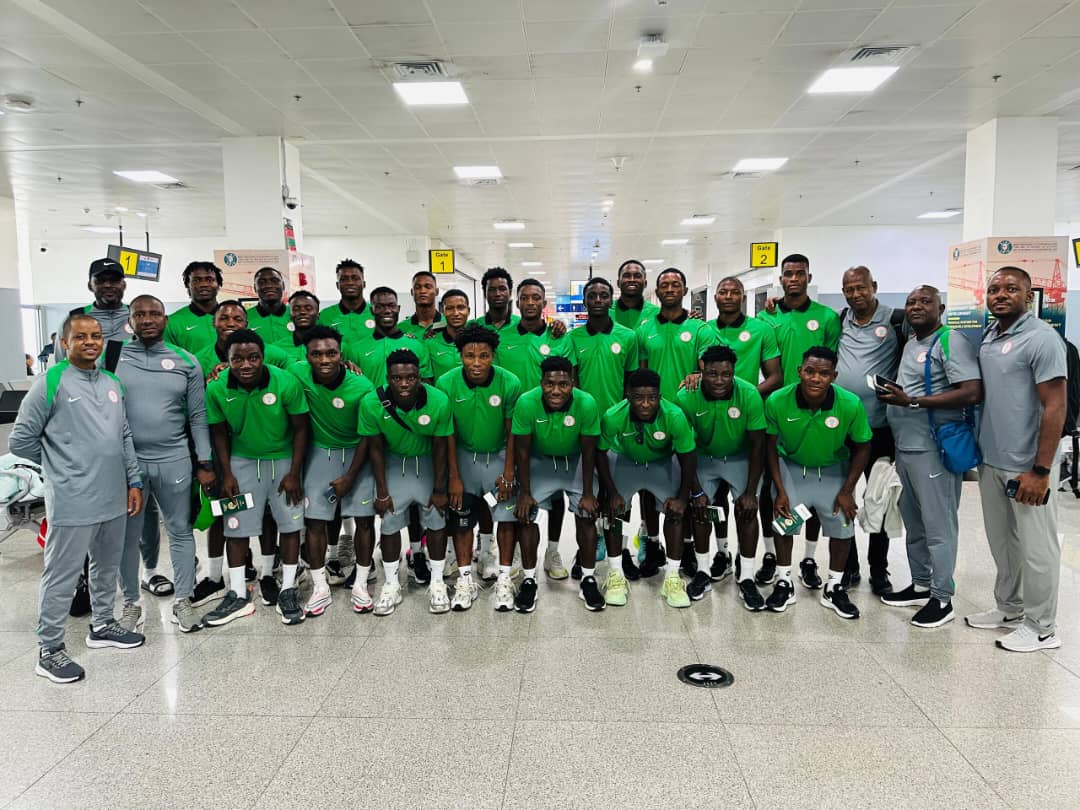
Official figures show that Nigeria has so far repatriated about 1,490 of its citizens, while Ghana has evacuated at least 926 nationals from South Africa.
Both countries have also called for the issue of “Afrophobia” to be placed on the agenda of the next African Union summit.
Ghana has additionally postponed a planned state visit by South African President Cyril Ramaphosa.
South Africa, Africa’s most industrialised economy, has long attracted migrants from across the continent seeking better economic opportunities, both through legal and undocumented channels.
However, rising unemployment, poverty and pressure on public services have fuelled resentment in some communities, with vigilante groups accusing foreign nationals of increasing crime and taking jobs from locals.
Analysts, however, argue that migrants are being unfairly blamed for broader structural problems, including unemployment that exceeds 30 per cent, weak governance and poor delivery of public services.
The current unrest began last year with isolated demonstrations aimed at preventing undocumented migrants from accessing public healthcare facilities before escalating significantly in the weeks leading to the June 30 deadline issued by anti-migrant campaigners.
The anti-immigration group March and March has since vowed to continue organising weekly protests until South Africa’s local government elections scheduled for November.
Although South Africa has experienced repeated outbreaks of xenophobic violence over the years—including deadly riots in 2008 that claimed 62 lives, as well as renewed attacks in 2015, 2016 and 2019—the latest crisis marks the first time several African governments have simultaneously mounted coordinated voluntary repatriation efforts for tens of thousands of their citizens fleeing the country.