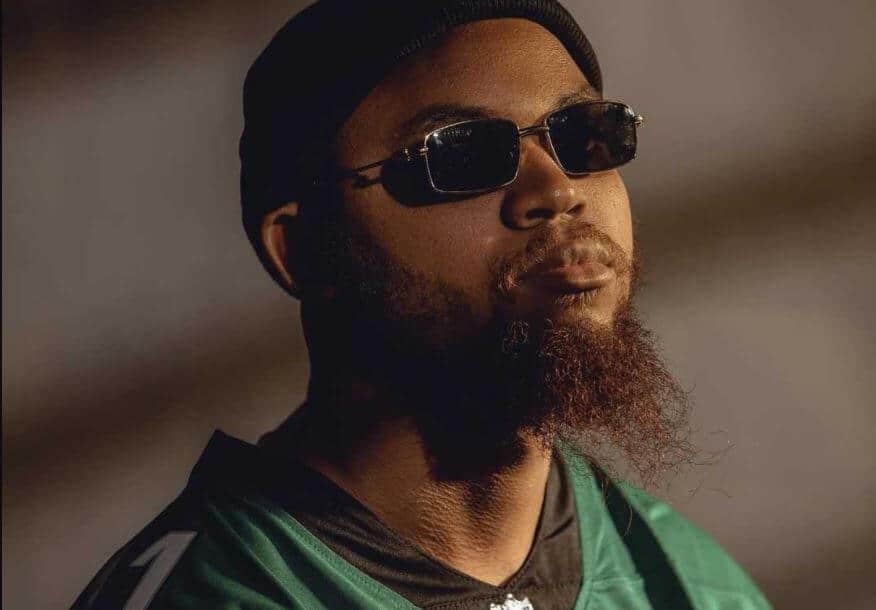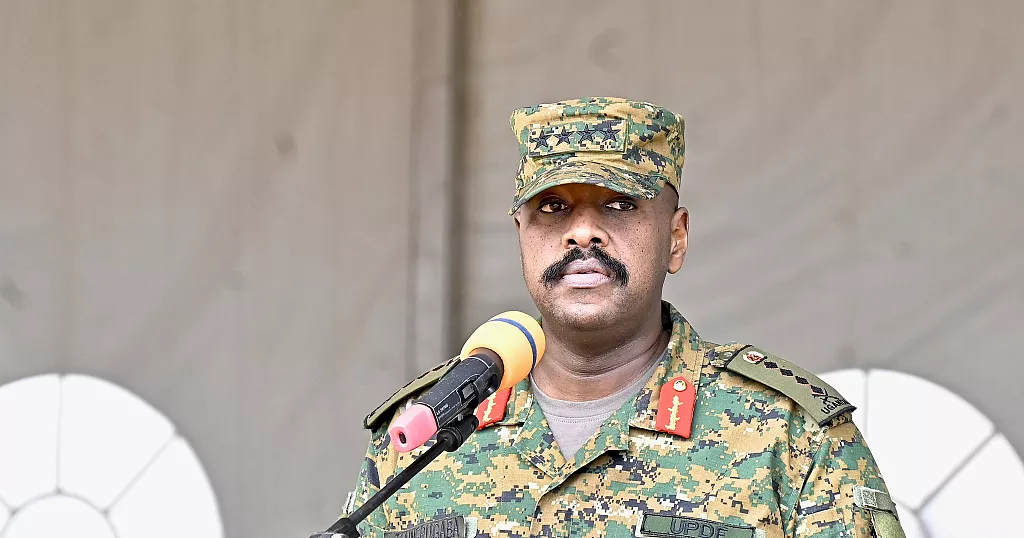

Uganda’s military chief, Muhoozi Kainerugaba, has ordered the closure of two of the country’s leading media outlets, declaring that he does not believe in a free press.
Mr Kainerugaba, who is also the son of President Yoweri Museveni, announced the decision in a series of posts on X on Sunday, saying the outlets would remain shut until he authorised their reopening.
“In Uganda, I do not believe in a free press. The press should be guided by cadres of the revolution,” he wrote.
The affected organisations are the Daily Monitor, Uganda’s largest independent newspaper, and NTV Uganda, one of the country’s biggest private television broadcasters. Both are owned by Nation Media Group, a Kenyan media conglomerate listed on the Nairobi Securities Exchange.
At the time of filing this report, Mr Kainerugaba did not provide specific reasons for ordering the closure.

Military deployment
According to the Daily Monitor, military personnel were deployed to Nation Media Group’s offices in Kampala on Sunday, preventing staff from entering or leaving the premises.
The newspaper reported that operations at the media house had been disrupted following the deployment.
A report by Reuters Africa noted that NTV Uganda and other television and radio stations operated by Nation Media Group in Uganda were also off air as of Sunday morning.
Ugandan government spokesperson Alan Kasujja did not immediately respond to requests for comment on the development.
Similarly, Susan Nsibirwa, the managing director of Nation Media Group Uganda, said she had no immediate comment.
Press freedom
Further information from the Reuters’ Africa report, noted that Mr Kainerugaba has been widely mentioned as a possible successor to his father, and is also known for controversial social media posts.
In the past, he has made inflammatory remarks, including threats directed at opposition leader Bobi Wine.
The closure also recalls a similar action taken in 2013 when the government of President Museveni shut down the Daily Monitor for 10 days over reports relating to succession politics.
Nigeria’s experience
The development also echoes past debates over press freedom in Nigeria.
In 2021, the Nigerian government suspended Twitter, now known as X, after the platform deleted a post by then-President Muhammadu Buhari.
Authorities also directed broadcast stations to stop using the platform, a move that attracted criticism from media organisations, civil society groups and international rights advocates over its implications for freedom of expression. The suspension was lifted more than seven months later after negotiations between the government and the company.
More recently, PREMIUM TIMES reported remarks by its Editor-in-Chief and President of the International Press Institute (IPI) Nigeria, Musikilu Mojeed, at the Nigerian Union of Journalists (NUJ) National Security Summit, where he urged authorities to resolve disputes involving journalists through dialogue, professional accountability mechanisms and the courts rather than through arrests, detention or intimidation.
Mr Mojeed argued that press freedom and national security should reinforce, rather than undermine, each other. In a subsequent opinion article, he maintained that democratic societies are strongest when journalists are able to perform their watchdog role while respecting legitimate national security concerns.
Media rights advocates have consistently argued that an independent press is essential to democratic governance, transparency and public accountability.