The United States has called on Iran to publicly commit to reopening the Strait of Hormuz and guarantee unrestricted passage for commercial vessels as fresh diplomatic efforts begin in Oman to ease tensions in the Gulf.
The renewed push comes as Iranian Foreign Minister Abbas Araqchi arrived in Muscat on Saturday for talks expected to focus on maritime security following a week of military exchanges that disrupted shipping through one of the world’s busiest oil transit routes.
According to Reuters, Washington is seeking assurances from Tehran that commercial vessels will be able to pass through the strategic waterway without attacks, restrictions or additional charges.
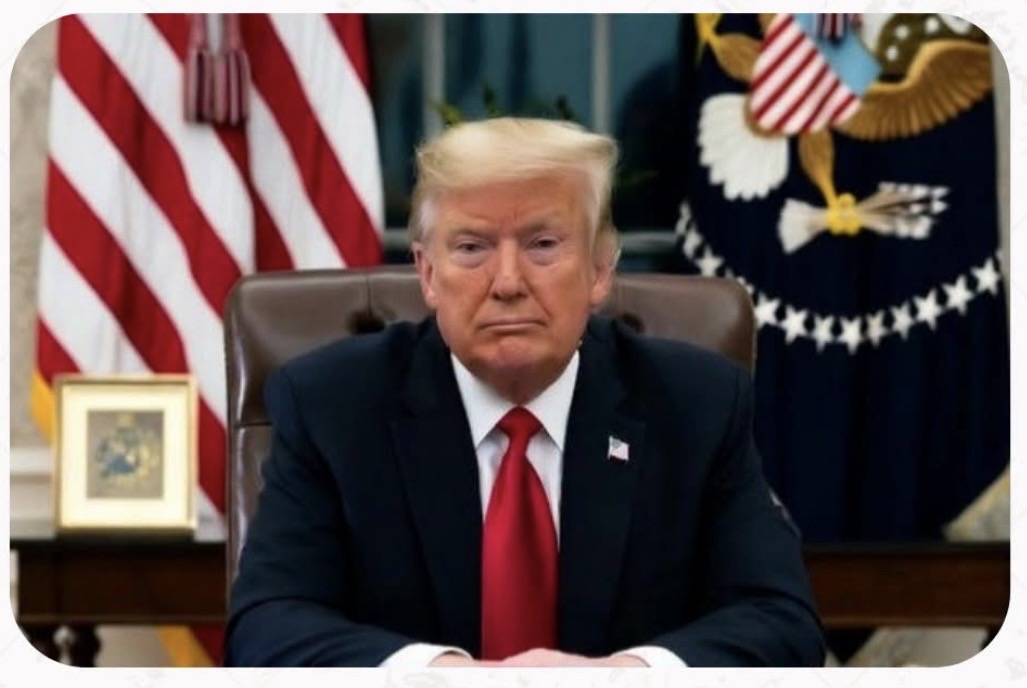
The diplomatic engagement follows U.S. President Donald Trump’s declaration on Friday that the ceasefire between Washington and Tehran had ended. However, Trump also disclosed that both countries had agreed to continue diplomatic discussions despite the renewed tensions.
Although no fresh attacks were reported between Friday and Saturday morning, concerns remain high after recent strikes targeting commercial tankers and military installations across the Gulf.
Reuters reported that a senior Iranian source said officials from Iran, the United States, Qatar and Pakistan had agreed to hold a telephone conversation, with mediators working to facilitate the talks while Araqchi remains in Oman.
Oman has continued to play a key mediating role in efforts to prevent further escalation of the conflict, which has rattled global energy markets and heightened fears of wider regional instability since U.S. and Israeli airstrikes on Iran began in late February.
Several media reports indicated that the U.S. delegation expected to participate in the discussions includes Vice President JD Vance, Secretary of State Marco Rubio, Special Envoy Steve Witkoff and President Trump’s son-in-law, Jared Kushner.
However, Iran’s Fars News Agency quoted a source as saying formal negotiations would not proceed unless the United States first changed its current position.
The latest crisis followed attacks earlier this week on commercial tankers linked to Qatar and Saudi Arabia, prompting U.S. strikes on Iranian targets and retaliatory attacks by Tehran on American military facilities in Gulf states.
Araqchi accused Washington of violating previous understandings, insisting that meaningful progress could only be achieved if both sides honoured their commitments.
“There can only be mutual compliance,” the Iranian foreign minister said.
While Tehran has denied responsibility for the attacks on commercial shipping, Western analysts have long argued that Iran has used disruptions in the Strait of Hormuz as leverage during periods of heightened diplomatic tensions.
Senior U.S. officials also disclosed that Iran had privately informed Washington that the recent attacks on shipping were carried out by what it described as an “errant part” of its system, a move viewed as an attempt to calm the situation.
Meanwhile, Iran’s new Supreme Leader, Ayatollah Mojtaba Khamenei, on Saturday vowed to avenge the killing of his father and predecessor, Ayatollah Ali Khamenei, who died during the conflict on February 28.
“We pledge to avenge the blood of the martyred leader and all the martyrs,” the new supreme leader declared.
We’ve got the edge. Get real-time reports, breaking scoops, and exclusive angles delivered straight to your phone. Don’t settle for stale news. Join LEADERSHIP NEWS on WhatsApp for 24/7 updates →