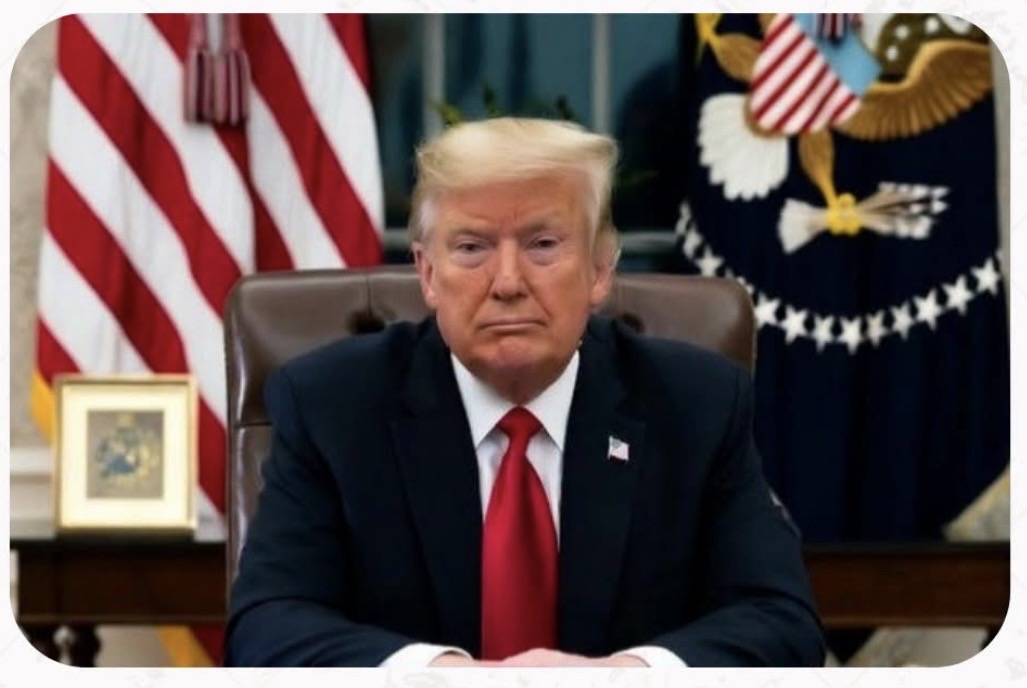
US President Donald Trump has announced that the United States will remove Syria from its terrorism sanctions list, marking the end of more than four decades of financial restrictions imposed on the country.
Trump made the announcement during a visit to Riyadh on May 13, 2025, after holding talks with Saudi and Turkish leaders on Syria’s future following the fall of the government of former Syrian President Bashar al-Assad.
The decision was formally implemented through an Executive Order signed on June 30, 2025, which took effect on July 1.
The Executive Order revoked six previous orders that had formed the legal basis for US sanctions against Syria over the years.
As part of the changes, 518 individuals and organisations were removed from the US Treasury Department’s Specially Designated Nationals (SDN) List, allowing hundreds of Syrian businesses and individuals to regain access to the global financial system without the restrictions that previously affected banks and other financial institutions.
However, sanctions imposed on former Syrian President Bashar al-Assad and some of his associates remain in place.
The United States also reviewed sanctions linked to Hay’at Tahrir al-Sham (HTS), the armed group that has played a significant role in discussions surrounding Syria’s post-Assad transition.
Following the review, HTS leader Ahmed al-Sharaa and several others were removed from some sanctions lists by the end of 2025.
The policy shift has also extended to the cryptocurrency sector.
Cryptocurrency exchange Binance has lifted geographic restrictions on users in Syria, allowing them to trade digital assets, including Bitcoin. The move is expected to provide many Syrians with access to digital financial services after years of relying largely on cash transactions due to the country’s prolonged civil war and international isolation.
For years, Syria’s financial system was constrained by multiple layers of sanctions, particularly the Caesar Syria Civilian Protection Act of 2019, which imposed some of the toughest US economic measures against the country.
The sanctions prevented many Syrians from accessing international banking services, major payment platforms and digital asset markets, as financial institutions sought to avoid legal and regulatory risks associated with transactions involving Syria.
We’ve got the edge. Get real-time reports, breaking scoops, and exclusive angles delivered straight to your phone. Don’t settle for stale news. Join LEADERSHIP NEWS on WhatsApp for 24/7 updates →