Médecins Sans Frontières (MSF), also known as Doctors Without Borders, has ended its emergency diphtheria response in Kano State after nearly three years of intervention, during which it treated more than 14,700 children and supported the vaccination of over 835,000 others against the disease.
The humanitarian organisation announced the conclusion of the emergency mission following the completion of a two-phase vaccination campaign conducted in partnership with the Kano State Ministry of Health.
Despite the progress recorded, MSF warned that diphtheria remains a serious public health threat and urged health authorities to sustain routine immunisation, strengthen disease surveillance and ensure prompt access to treatment to prevent another outbreak.
MSF Project Coordinator in Kano, Abdoul-Aziz Djibrilla, said the outbreak placed unprecedented pressure on families and the state’s healthcare system.
“Kano experienced a critical diphtheria outbreak that placed enormous pressure on families, healthcare workers and health facilities,” he said.
According to the organisation, 835,028 children were vaccinated during two rounds of the campaign. The second phase, held between June 20 and 24, 2026, immunised 486,948 children across 20 wards, following an earlier round that reached 348,080 children.
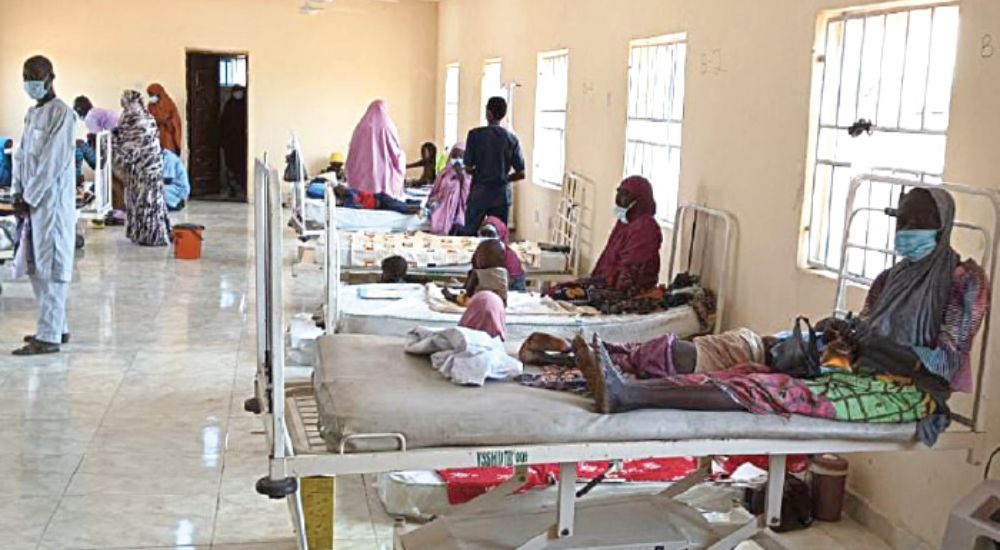
MSF said the emergency response also included treatment for 14,707 children through hospital-based and home-based care, alongside support for referral systems, surveillance, data management and community mobilisation.
Djibrilla noted that although infection rates have declined significantly due to the vaccination campaigns, thousands of children remain vulnerable because of low routine immunisation coverage, overcrowding, delayed healthcare seeking and malnutrition.
“Although the number of cases has declined in recent months, mainly due to mass vaccination campaigns, the disease remains a serious health threat to children in Kano,” he said.
Kano has remained the epicentre of Nigeria’s diphtheria outbreak. State health authorities recorded more than 31,900 suspected cases and over 1,260 deaths between March 2022 and March 22, 2026, accounting for a large share of the country’s disease burden.
Nationally, the Nigeria Centre for Disease Control and Prevention (NCDC) has documented 65,759 suspected cases and 2,229 deaths since the outbreak was declared in 2023.
At the peak of the outbreak between late 2025 and early 2026, MSF said treatment centres were admitting more than 100 children daily, with several facilities operating beyond capacity.
The organisation described diphtheria as a highly contagious but vaccine-preventable bacterial infection that primarily affects children and can cause severe complications, including damage to the heart, kidneys and nervous system if left untreated.
MSF called on the Kano State Government and its partners to build on the gains recorded through sustained investment in immunisation and early disease detection.
“Continued commitment from health authorities and partners to sustain high immunisation coverage, strengthen surveillance and ensure timely access to quality treatment will be critical to preventing future outbreaks and protecting the lives of children in Kano,” Djibrilla said.
MSF has been operating in Nigeria since 1996 and said it would continue supporting healthcare programmes across the country despite the conclusion of its emergency diphtheria mission in Kano.