The National Human Rights Commission (NHRC) on Wednesday raised fresh concerns over Nigeria’s criminal justice system, declaring that poverty has become a “second prison sentence” for thousands of low-risk offenders who remain in custody simply because they cannot afford to pay court-imposed fines.
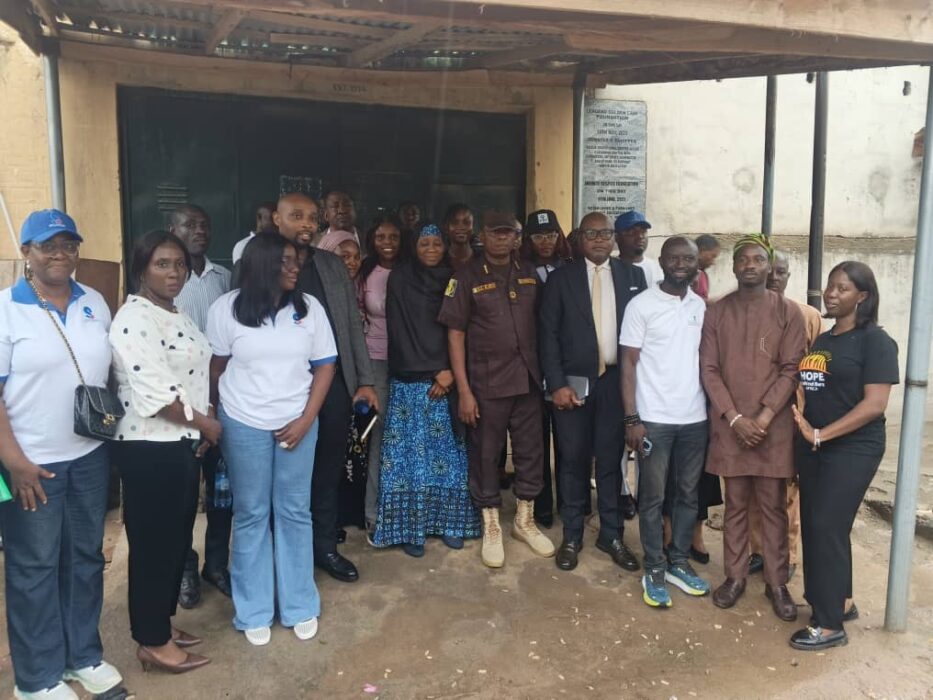
In a move aimed at exposing the human cost of poverty-driven incarceration, the Commission, in collaboration with Hope Behind Bars Africa (HBB), secured the release of 11 indigent inmates at the Suleja Medium Security Custodial Centre after paying fines totalling nearly N900,000.
The intervention, carried out to mark the 2026 Nelson Mandela International Day, saw the NHRC settle fines for seven inmates, while Hope Behind Bars paid N400,000 to secure the freedom of four others.
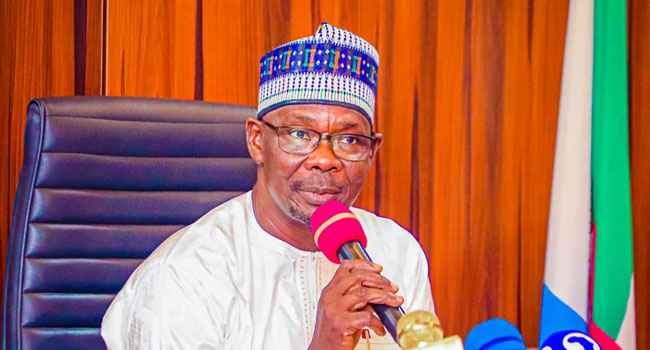
Executive Secretary of the NHRC, Dr. Tony Ojukwu (OFR, SAN), lamented that many inmates who should have regained their freedom long ago continue to languish in correctional facilities, not because they committed grievous offences but because they lack the financial means to pay relatively small fines.
He said the situation has become one of the major drivers of overcrowding in correctional centres across the country.
According to Ojukwu, this year’s Nelson Mandela Day theme, “It’s Still in Our Hands to Combat Poverty and Inequity,” aptly reflects the realities confronting Nigeria’s correctional system, where economic hardship pushes many into conflict with the law while also denying them access to justice.
“Most crimes that bring people into custody are often rooted in poverty. When you look at the fines that continue to keep low-risk inmates behind bars, you can see how poverty and inequity sustain overcrowding in our correctional facilities,” he said.
He stressed that justice should not end with punishment but must embrace rehabilitation, dignity and reintegration, insisting that correctional facilities should produce reformed citizens rather than hopeless ex-convicts.
Ojukwu said the Commission has expanded its role beyond monitoring detention facilities to directly supporting inmate welfare, paying fines for indigent prisoners and promoting rehabilitation initiatives capable of easing their reintegration into society.
He appealed to corporate organisations, philanthropists and well-meaning Nigerians to support efforts aimed at decongesting correctional centres, noting that many inmates have the potential to become productive citizens if given another opportunity.
The NHRC boss recalled that during the 2025 Nelson Mandela Day celebration, the Commission facilitated the release of four indigent inmates through payment of fines, donated welfare materials and organised training for correctional officers on the implementation of the Nelson Mandela Rules and the Bangkok Rules.
He said this year’s intervention builds on that effort with the release of more inmates, distribution of hygiene materials and additional capacity-building programmes for correctional personnel.
Programme Coordinator of Hope Behind Bars Africa, Hassan Nurudin Olanrewaju, said the organisation remains committed to improving access to justice by equipping inmates with education, vocational skills and rehabilitation programmes that reduce recidivism.
He noted that meaningful correction goes beyond imprisonment and requires deliberate investment in the rehabilitation of inmates.
“From the name Nigerian Correctional Service, people should come out corrected. Government cannot do it alone, and that is why organisations like ours are supporting the rehabilitation process,” he said.
Olanrewaju disclosed that Hope Behind Bars contributed N400,000 to secure the release of four inmates, while the NHRC paid fines for about seven others, bringing the total intervention to nearly N900,000.
He added that the organisation would return to the Suleja facility next week to facilitate the release of more deserving inmates unable to pay court fines.
As part of the commemoration, the NHRC and its partners also trained correctional officers on the United Nations Standard Minimum Rules for the Treatment of Prisoners, popularly known as the Nelson Mandela Rules, as well as the Bangkok Rules, to strengthen respect for the rights and dignity of persons in custody.
The annual Nelson Mandela International Day celebrates the legacy of the late South African leader and serves as a global call to promote justice, human dignity and rehabilitation within correctional systems.
We’ve got the edge. Get real-time reports, breaking scoops, and exclusive angles delivered straight to your phone. Don’t settle for stale news. Join LEADERSHIP NEWS on WhatsApp for 24/7 updates →