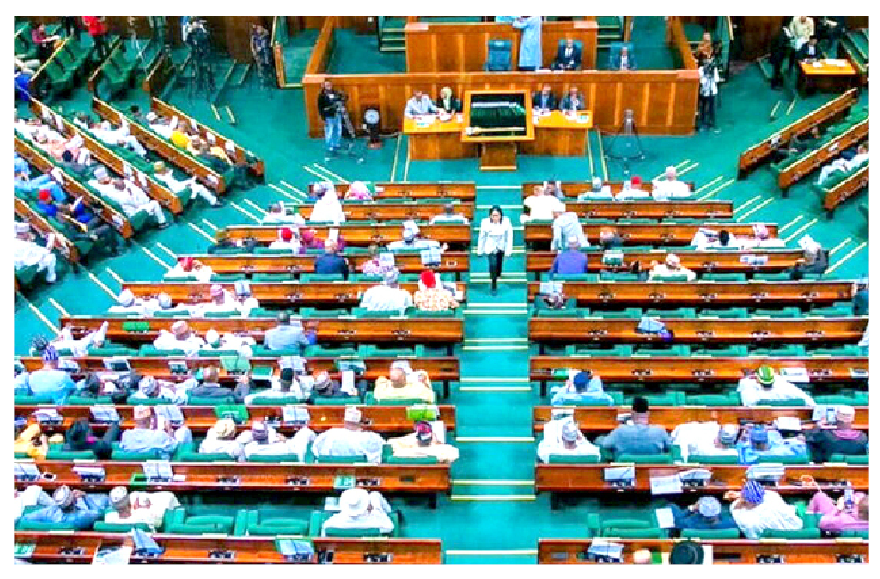
The House of Representatives has called for a comprehensive audit of all assets seized, forfeited, recovered, managed, disposed of or repatriated by government institutions since the country’s return to democratic rule in 1999.
Following the adoption of a motion sponsored by the member representing Arochukwu/Ohafia Federal Constituency of Abia State, Ibe Okwara Osonwa, at plenary yesterday.
Moving the motion, he said the absence of a centralised asset register and weak oversight mechanisms had created gaps in the management of recovered proceeds of crime.
Osonwa recalled that Sections 88 and 89 of the 1999 Constitution (as amended) empower the National Assembly to investigate the activities of public institutions and scrutinise the management of public funds and assets.
“Since the return to democratic governance in 1999, various anti-corruption and security agencies, Ministries, Departments and Agencies, regulatory bodies and courts have seized, forfeited, recovered, managed, disposed of and repatriated substantial assets derived from corruption, money laundering, financial crimes, illicit financial flows, terrorism financing and other unlawful activities.”
The lawmaker said the recovered assets include cash, landed properties, shares, petroleum assets, luxury vehicles, vessels, aircraft, investments, digital assets, and other movable and immovable properties, collectively valued in the trillions of naira.
Osonwa expressed concern that despite the enormous value of the recovered assets, Nigeria still lacks a centralised database to track their status and utilisation.
“There is presently no centralised and publicly accessible National Asset Recovery and Management Register capable of providing comprehensive information on the status, value, location, management, disposal, utilisation and proceeds of recovered assets across the Federation,” he noted.
Osonwa further decried recurring allegations of poor record-keeping, weak asset valuation procedures and inadequate oversight.
“Recurring allegations of inadequate record-keeping, poor valuation practices, weak chain-of-custody procedures, asset deterioration, non-remittance of proceeds, conflicts of interest and possible leakages in the management and disposal of recovered assets,” he added.
Osonwa said the situation had undermined public confidence in Nigeria’s asset recovery process and had limited the National Assembly’s ability to exercise effective oversight over recovered public assets.
He argued that deploying digital technology would significantly improve transparency, accountability and inter-agency coordination while providing the public with reliable information on recovered assets.
Sequel to the adoption of the motion, the House urged the Federal Government to conduct a comprehensive audit and verification of all seized, forfeited, recovered, managed, disposed of, and repatriated assets held by ministries, departments and agencies, anti-corruption bodies, security agencies, and courts from 29 May 1999 to date.
We’ve got the edge. Get real-time reports, breaking scoops, and exclusive angles delivered straight to your phone. Don’t settle for stale news. Join LEADERSHIP NEWS on WhatsApp for 24/7 updates →